
__1794297235_WNo_1600d900.webp)
Commercial kitchens face significant fire risks due to high-temperature cooking equipment, hot oils, grease buildup, and continuous food preparation. A fire involving deep fryers, ranges, griddles, or exhaust hoods can spread rapidly, potentially causing equipment damage, business interruption, and serious safety hazards. Commercial kitchen fire suppression systems provide dedicated fire protection by detecting excessive heat and delivering an appropriate extinguishing agent to designated cooking areas.
Understanding how these systems work is essential for restaurant owners, facility managers, kitchen designers, and fire safety professionals. This guide explores the main types of commercial kitchen fire suppression systems, their operating principles and components, relevant fire protection standards, installation considerations, and maintenance requirements. It also explains how to evaluate system suitability for different commercial cooking environments.
- What Is a Commercial Kitchen Fire Suppression System?
- Why Do Commercial Kitchens Need Fire Suppression Systems?
- How Does a Kitchen Fire Suppression System Work?
- Main Components of a Kitchen Fire Suppression System
- Types of Commercial Kitchen Fire Suppression Systems
- Key Standards and Compliance Considerations
- Which Kitchen Equipment Needs Protection?
- Kitchen Fire Suppression System Design Considerations
- Inspection, Testing, and Maintenance
- How to Choose the Right System
- Fire Safety Solutions from JUAND
- Conclusion
1. What Is a Commercial Kitchen Fire Suppression System?
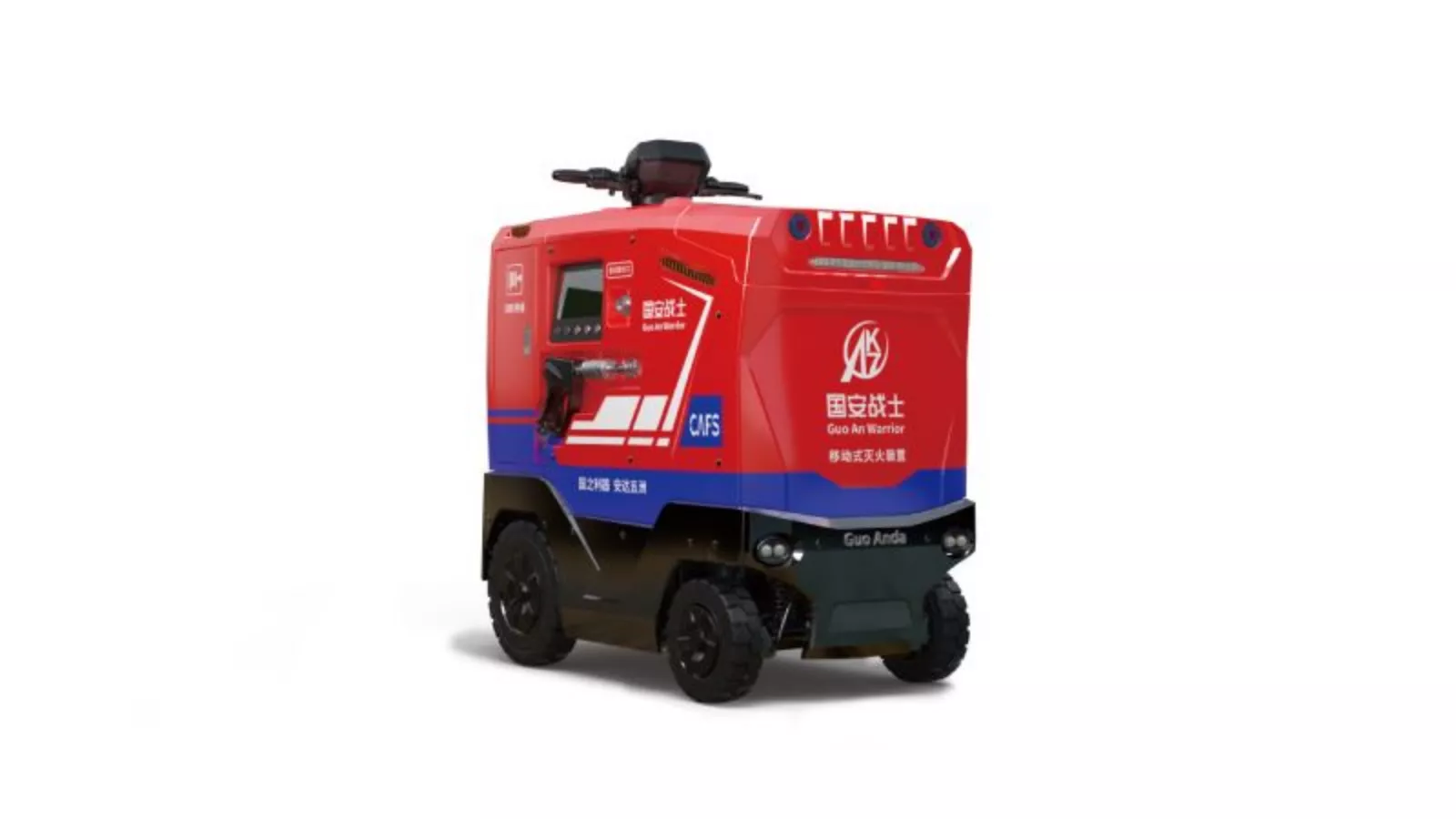
A commercial kitchen fire suppression system is a fixed fire protection arrangement designed to detect and control fires involving cooking appliances, hot oils, grease, and ventilation equipment. It is commonly used in restaurants, hotels, cafeterias, institutional kitchens, and other commercial food service facilities.
Unlike a portable fire extinguisher that requires manual operation, an automatic kitchen suppression system can detect excessive heat and release an extinguishing agent through strategically positioned nozzles. Depending on the approved system design, activation may also trigger an alarm and shut off the fuel or electrical supply to protected cooking equipment.
Many commercial cooking applications use wet chemical fire suppression systems. The agent is designed to suppress fires involving hot cooking oils and grease. Through a process known as saponification, it reacts with hot oils to form a soapy layer that helps suppress flames. It also cools the cooking surface and reduces the risk of re-ignition.
The final system configuration depends on the cooking appliances, hood and duct arrangement, fuel sources, applicable fire codes, and the listing and installation instructions of the selected equipment.
2. Why Do Commercial Kitchens Need Fire Suppression Systems?
Commercial kitchens combine high-temperature cooking equipment, flammable cooking oils, grease-producing processes, and ventilation systems. Without suitable protection and regular cleaning, a small fire can spread from an appliance to the hood or exhaust duct.
2.1 Hot Cooking Oils and Grease
Deep fryers, griddles, and other appliances may contain hot oil or grease. These materials can ignite when exposed to excessive heat or an open flame. Cooking oil fires are particularly challenging because the oil may remain hot enough to reignite after visible flames have been extinguished.
2.2 Grease Accumulation in Exhaust Systems
Cooking produces grease-laden vapors that enter the exhaust hood and duct system. If grease deposits are not removed at the required intervals, they can become additional fuel and allow fire to spread beyond the cooking surface.
2.3 Continuous Kitchen Operations
Restaurants, hotels, and institutional kitchens often operate for extended periods, with multiple appliances running simultaneously. An automatic suppression system provides an additional layer of protection when staff cannot respond immediately.
2.4 Property Damage and Business Interruption
A kitchen fire can damage appliances, ventilation equipment, electrical systems, and building structures. Even a contained incident may lead to cleaning, repairs, inspections, and temporary business closure.
A suppression system should therefore be part of a broader fire safety plan that also includes exhaust cleaning, staff training, portable extinguishers, emergency procedures, and building fire protection.
3. How Does a Kitchen Fire Suppression System Work?
Most automatic commercial kitchen suppression systems follow a coordinated sequence: heat detection, activation, fuel or power shutdown where designed, extinguishing agent discharge, and post-discharge response. The exact sequence depends on the manufacturer's approved system configuration.
Step 1: Heat Detection
Heat-sensitive detection devices are installed near the protected cooking equipment. When the specified activation condition is reached, the detection mechanism initiates the release sequence. Some systems use fusible links, while others use different listed detection arrangements.
Step 2: System Activation
The detection mechanism activates the releasing device. A manual pull station may also be provided in an accessible location so trained personnel can initiate the system when necessary.
Step 3: Fuel and Power Shutdown
Where required by the system design and applicable code, activation signals a shutoff device to disconnect the fuel supply or electrical power serving the protected appliances. This helps remove the heat source and limit continued combustion.
Step 4: Extinguishing Agent Discharge
The stored agent travels through the distribution piping and exits through nozzles positioned over designated appliances and protected areas. Nozzle locations, orientation, and discharge patterns must follow the system listing and installation instructions.
Step 5: Fire Suppression and Cooling
For wet chemical systems, the agent helps suppress flames and cool hot cooking surfaces. Its reaction with cooking oils forms a protective layer that helps limit contact between the fuel and oxygen. Cooling is important because hot oil may reignite if its temperature remains high.
Step 6: Alarm and Post-Activation Response
An alarm or monitoring signal may alert kitchen staff and other responsible personnel. After discharge, the affected equipment should remain out of service until qualified technicians have inspected, cleaned, recharged, and restored the system.
4. Main Components of a Kitchen Fire Suppression System
A commercial kitchen fire suppression system contains several connected components. Each part performs a specific function, and all components must be compatible with the protected appliances and the system's approved design.
| Component | Main Function | Key Consideration |
|---|---|---|
| Detection devices | Identify excessive heat and initiate activation. | Position and temperature rating must follow the system design. |
| Releasing mechanism | Coordinates automatic or manual activation. | Must be compatible with the detection and release arrangement. |
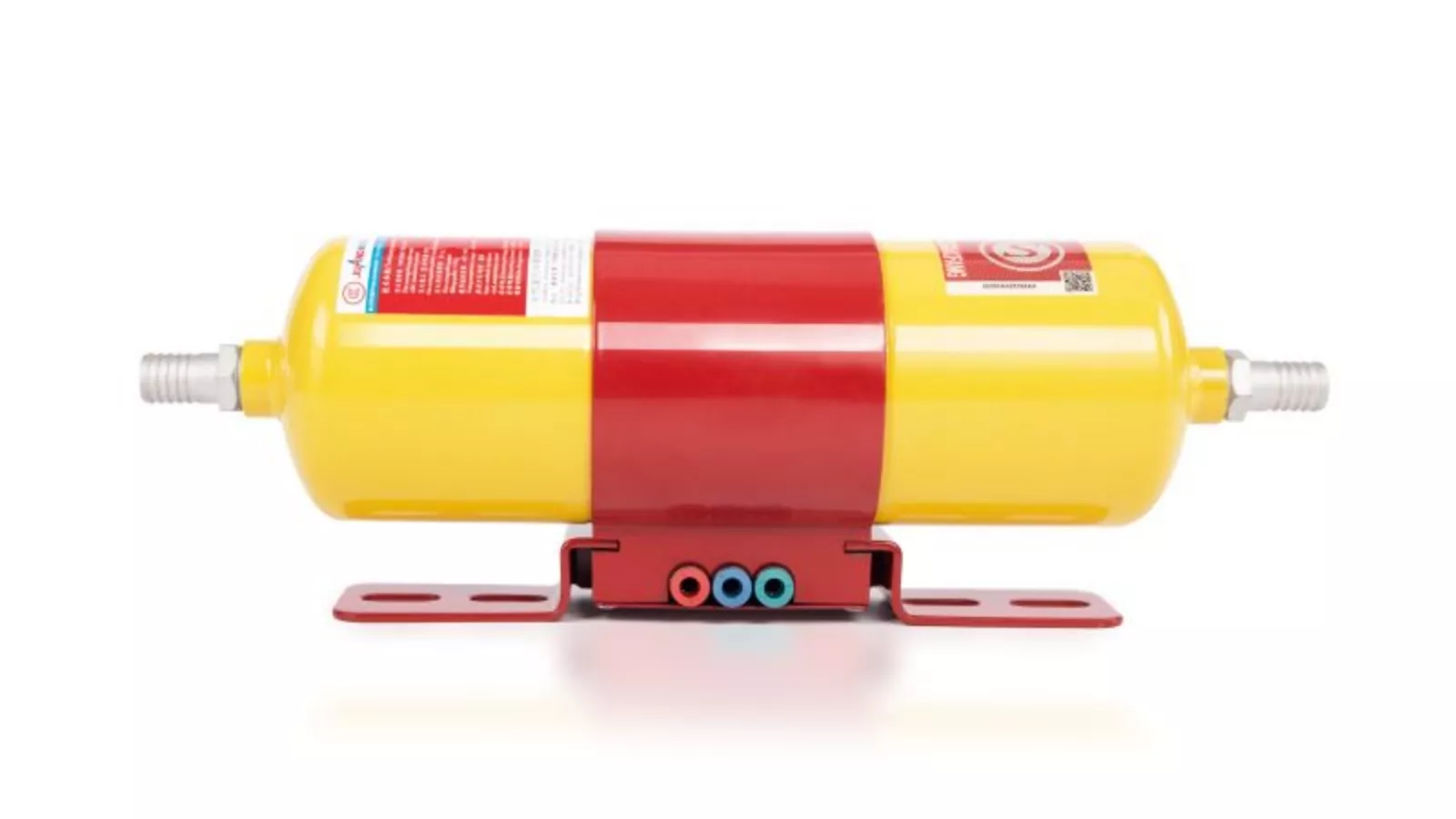
| Agent container | Stores the required quantity of extinguishing agent. | Capacity, pressure, and agent type must match the protected hazard. |
| Distribution piping | Transfers the agent to the discharge points. | Pipe routing and fittings must follow approved instructions. |
| Discharge nozzles | Direct the agent toward appliances and protected areas. | Nozzle type, orientation, and coverage are application-specific. |
| Manual pull station | Allows personnel to activate the system manually. | Must remain visible, accessible, and unobstructed. |
| Fuel and power shutoff devices | Disconnect specified cooking equipment when activated. | Must be coordinated with the appliance and system controls. |
| Alarm interfaces | Provide notification or signals to connected systems. | Requirements depend on the project and local code. |
Why Component Compatibility Matters
Individually suitable components do not automatically form a compliant fire suppression system. Detection devices, release mechanisms, agent containers, piping, and nozzles must work together as part of the approved configuration. Unapproved substitutions or changes to nozzle positions can affect discharge performance and protection coverage.
Design and installation should follow the manufacturer's documentation, applicable product listings, and the requirements of the local authority having jurisdiction.
5. Types of Commercial Kitchen Fire Suppression Systems
Commercial cooking environments may use different fire suppression technologies depending on the cooking hazards, appliance layout, local requirements, and approved system applications. The following categories describe options that may be considered during project planning.
5.1 Wet Chemical Fire Suppression Systems
Wet chemical fire suppression systems are widely used for commercial cooking hazards involving hot oils and grease. They discharge a liquid chemical agent through dedicated nozzles onto protected appliances and, where included in the design, hood areas.
The agent helps suppress flames through a chemical reaction with cooking oils and cools hot surfaces to reduce the risk of re-ignition. These systems are commonly evaluated for deep fryers, griddles, ranges, and other grease-producing appliances. Suitability must still be confirmed against the system listing and actual appliance arrangement.
5.2 Dry Chemical Fire Suppression Systems
Dry chemical systems use a powdered extinguishing agent to interrupt combustion. They are used in various industrial and specialized fire protection applications, but should not be assumed to be suitable for every commercial cooking hazard.
For restaurant cooking operations, the system must be specifically listed or approved for the intended application and accepted under the applicable local code. A general-purpose dry chemical system is not automatically an acceptable substitute for a listed commercial cooking system.
5.3 Water Mist Systems
Water mist systems use fine water droplets to absorb heat and control fire under specified design conditions. Certain listed systems may be approved for particular commercial cooking applications.
Ordinary building sprinklers and specialized cooking fire suppression systems serve different purposes. A water mist solution must be specifically designed, tested, and approved for the intended cooking hazard.
5.4 Foam-Water Systems
Foam-water systems combine water with a foam concentrate for fire control in applications covered by their design and approval. Certain foam-water arrangements may be recognized for commercial cooking protection in some jurisdictions.
These systems require application-specific engineering and confirmation that the complete installation meets the applicable requirements.
5.5 Integrated Kitchen Fire Protection Systems
An integrated solution coordinates appliance protection, hood and duct protection, detection, alarms, and automatic equipment shutdown. The configuration depends on the kitchen layout, appliance combination, ventilation design, and building services.
Integration does not mean unrelated products can be combined without checking compatibility, listing, and approval requirements.
| System Type | Extinguishing Approach | Potential Application | Important Limitation |
|---|---|---|---|
| Wet chemical | Liquid chemical agent, flame suppression, and cooling | Commercial cooking appliances involving hot oils and grease | Must match the approved cooking hazard and system listing. |
| Dry chemical | Powder agent interrupts combustion | Specified industrial or specialized hazards | Not automatically acceptable for commercial cooking operations. |
| Water mist | Fine water droplets absorb heat and control fire | Applications covered by an appropriate listing and design | Must be approved for the specific cooking application. |
| Foam-water | Water and foam-based fire control | Specified commercial cooking protection arrangements | Requires application-specific engineering and approval. |
6. Key Standards and Compliance Considerations
Commercial kitchen fire suppression systems must be selected, installed, inspected, and maintained according to the requirements applicable to the project location. In the United States, UL 300, NFPA 17A, and NFPA 96 are important references for commercial cooking fire protection.
6.1 UL 300: Fire Testing for Commercial Cooking Equipment
UL 300 is a fire test standard for extinguishing systems used to protect commercial cooking equipment. It evaluates system performance under defined commercial cooking fire test conditions.
Where a local code or project specification requires a UL 300-tested system, buyers should verify the product's actual listing and documentation. A general statement that a product is suitable for commercial kitchens is not sufficient proof of compliance.
6.2 NFPA 17A: Wet Chemical Extinguishing Systems
NFPA 17A covers wet chemical fire extinguishing systems, including requirements related to design, installation, operation, inspection, testing, maintenance, and recharging.
The applicable edition adopted by the local jurisdiction and the manufacturer's system instructions should be reviewed together when specifying or servicing a wet chemical system.
6.3 NFPA 96: Commercial Cooking Operations
NFPA 96 addresses ventilation control and fire protection for commercial cooking operations. Its scope includes cooking equipment, exhaust hoods, ducts, grease removal, fire protection, inspection, and maintenance.
Kitchen fire safety involves more than installing a suppression cylinder and nozzles. Grease management, exhaust cleaning, appliance arrangement, and ongoing maintenance are also important parts of the overall protection strategy.
6.4 Local Fire Codes and Authority Requirements
National standards do not automatically become law in every location. Local governments and authorities having jurisdiction may adopt specific editions, amend provisions, or impose additional requirements. Requirements can also vary by building type, cooking process, fuel source, and installation conditions.
Before purchasing equipment, confirm the applicable requirements with the local fire department, building authority, fire protection engineer, or other responsible authority.
| Standard or Requirement | Main Focus | Why It Matters |
|---|---|---|
| UL 300 | Fire testing of extinguishing systems for commercial cooking equipment | Helps verify performance under specified cooking fire test conditions. |
| NFPA 17A | Wet chemical extinguishing systems | Addresses system design, installation, inspection, testing, and maintenance. |
| NFPA 96 | Ventilation control and fire protection for commercial cooking operations | Connects cooking fire protection with hoods, ducts, grease management, and maintenance. |
| Local fire code | Jurisdiction-specific requirements | Determines which standards and installation provisions apply to the project. |
For reference, buyers can consult the official information for UL 300, NFPA 17A, and NFPA 96.
7. Which Kitchen Equipment Needs Protection?
The equipment requiring protection depends on the cooking process, appliance type, and exhaust system configuration. A professional assessment should identify the relevant hazards and determine which areas require dedicated discharge coverage.
7.1 Deep Fryers
Deep fryers contain heated cooking oil and are a major consideration in commercial kitchen fire protection. The design must account for the fryer model, dimensions, position, and approved nozzle arrangement.
7.2 Griddles and Flat-Top Cooking Equipment
Griddles and flat-top appliances use heated surfaces for cooking. Grease and oil can accumulate during operation, so their protection requirements should be evaluated alongside adjacent appliances and hood coverage.
7.3 Ranges, Broilers, and Charbroilers
Gas or electric ranges, broilers, and charbroilers may involve open flames, hot surfaces, and grease-producing processes. Their position and configuration influence the required detection and nozzle coverage.
7.4 Woks and Specialized Cooking Appliances
Woks, high-output burners, and other specialized appliances may generate intense heat and grease-laden vapors. The system designer should verify that the selected arrangement is suitable for the actual appliance.
7.5 Exhaust Hoods and Ducts
The hood captures grease-laden vapors, while the exhaust duct carries them away from the cooking area. Depending on the system design and applicable requirements, protection may include the hood plenum and exhaust duct as well as the cooking appliances.
| Kitchen Equipment | Potential Fire Hazard | Protection Consideration |
|---|---|---|
| Deep fryer | High-temperature cooking oil | Confirm fryer-specific nozzle coverage and approved system configuration. |
| Griddle | Hot surfaces and grease | Check surface dimensions and discharge coverage. |
| Range | Open flames, heat, and cooking oils | Consider burner arrangement and appliance position. |
| Broiler or charbroiler | High heat and grease-laden vapors | Verify that the appliance is covered by the selected system listing. |
| Wok range | Intense heat and specialized cooking conditions | Use an arrangement designed for the actual appliance. |
| Hood and exhaust duct | Accumulated grease deposits | Evaluate required plenum and duct protection separately from appliance coverage. |
Not every appliance requires the same type or extent of protection. Final coverage should be determined through an assessment of the complete cooking line and the applicable system documentation.
8. Kitchen Fire Suppression System Design Considerations
A reliable commercial kitchen fire suppression system starts with an accurate assessment of the cooking environment. A design that does not reflect the actual appliance layout or operating conditions may leave parts of the hazard inadequately protected.
8.1 Cooking Appliance Layout
The designer should identify each appliance beneath the hood, including its type, size, position, and relationship to adjacent equipment. Relocating or replacing appliances can affect nozzle coverage and may require a review of the existing system.
8.2 Hood and Exhaust Duct Configuration
Hood dimensions, plenum arrangement, duct routing, and exhaust design influence the protection plan. The suppression system must be coordinated with the ventilation layout so the required areas are protected.
8.3 Detection and Manual Activation
Detection devices must be positioned according to the approved design. Manual pull stations should be accessible to trained personnel and located where they can be reached safely during an emergency.
8.4 Fuel and Electrical Interfaces
The system may need to activate fuel shutoff valves, electrical disconnects, alarms, or other interfaces. These functions should be coordinated with the kitchen's gas and electrical installations by qualified professionals.
8.5 Agent Capacity and Nozzle Coverage
The required agent quantity, piping arrangement, and nozzle selection depend on the protected appliances and the system's approved design limits. Changes to nozzle quantity, pipe dimensions, or component arrangement must follow the manufacturer's instructions.
8.6 Future Kitchen Modifications
Restaurants may replace fryers, add appliances, rearrange equipment, or modify ventilation systems. These changes can affect the original protection design, so the system should be reassessed whenever the cooking hazard or equipment arrangement changes.
9. Inspection, Testing, and Maintenance
Installing a commercial kitchen fire suppression system is only the first step. Regular inspection and maintenance help ensure that the equipment remains ready for operation. Requirements depend on the system type, applicable standards, manufacturer instructions, and local regulations.
9.1 Routine Owner Inspections
Responsible personnel should carry out the routine checks specified in the owner’s manual and applicable requirements. Typical visual checks include:
- Confirming that system components remain in their designated locations.
- Checking that manual activation devices are visible and unobstructed.
- Inspecting tamper indicators, seals, and maintenance tags.
- Checking pressure gauges where provided and confirming readings are within the specified range.
- Looking for visible damage, corrosion, leakage, or abnormal conditions.
- Checking that nozzle caps are present and undamaged where applicable.
- Confirming that protected appliances have not been relocated or replaced without a design review.
9.2 Professional Inspection and Maintenance
Wet chemical systems commonly require periodic professional maintenance. NFPA 17A includes requirements for inspection and maintenance, while local codes and system documentation determine the exact obligations for a particular installation.
For many wet chemical systems in the United States, professional maintenance is required at least semiannually and after system activation. However, the service provider should verify the applicable standard edition, system listing, manufacturer's instructions, and local requirements before setting the maintenance schedule.
9.3 What Does Professional Maintenance Include?
- Checking the condition and location of the agent storage container.
- Inspecting detection devices, releasing mechanisms, and manual actuators.
- Checking piping, fittings, and nozzles for obstruction or damage.
- Verifying release and associated control devices.
- Checking fuel and electrical shutdown functions where applicable.
- Confirming that the system configuration still matches the protected appliances.
- Replacing defective components with approved parts according to manufacturer instructions.
- Recording inspection findings and completing required maintenance documentation.
9.4 Maintenance After System Activation
After discharge, qualified service personnel should inspect and restore the system before the protected cooking equipment returns to normal operation. This may involve cleaning discharged agent from affected surfaces, checking the system and appliances, replenishing the agent supply, and resetting the release mechanism.
9.5 Keep Inspection Records
Maintenance records help demonstrate that the system has been inspected and serviced. Keep service reports, inspection tags, component replacement records, system drawings, and relevant approval documents in an accessible location.
| Maintenance Activity | Responsible Party | Frequency or Trigger |
|---|---|---|
| Routine visual checks | Owner or designated personnel | According to the owner's manual and applicable requirements. |
| Professional system maintenance | Qualified service technician | At the interval required by the applicable standard and manufacturer. |
| Post-discharge inspection and restoration | Qualified service technician | After every system activation. |
| System design review | Qualified designer or service provider | When appliances, hood layout, or protected hazards change. |
| Exhaust hood and duct cleaning | Qualified cleaning provider | According to grease accumulation, applicable codes, and cleaning schedules. |
10. How to Choose the Right Commercial Kitchen Fire Suppression System
Selecting a suitable system requires more than comparing product prices or agent container sizes. Buyers should evaluate the cooking hazards, system approval, installation requirements, maintenance support, and compatibility with the kitchen layout.
10.1 Identify the Cooking Hazards
List the appliances and cooking processes in the kitchen. Consider deep fryers, griddles, open-flame ranges, broilers, woks, and other specialized equipment. This information helps determine which protection solutions should be evaluated.
10.2 Check Applicable Listings and Approvals
Verify that the proposed system is suitable for the intended commercial cooking application. Where required, check the UL 300 listing or other applicable approval and confirm that the configuration is supported by the manufacturer's documentation.
10.3 Evaluate Coverage and System Configuration
Review how the system protects the appliances, hood, plenum, and duct areas included in the design. Request documentation showing the proposed arrangement and any limitations relating to appliance dimensions or positioning.
10.4 Confirm Fuel and Electrical Shutdown Functions
Check whether the system needs to interface with gas valves, electrical disconnects, alarms, or other building systems. These functions should be included in the project scope and coordinated before installation.
10.5 Consider Installation and Maintenance Support
A suitable system should be supported by qualified installation and service personnel. Ask about commissioning, spare parts, agent replenishment, service availability, documentation, and technician qualifications.
10.6 Review Total Ownership Cost
The purchase price is only one part of the overall cost. Consider installation, inspection, maintenance, replacement components, recharging after discharge, and potential downtime if the system cannot be restored quickly.
10.7 Request Project-Specific Documentation
Request the product data sheet, system listing information, installation manual, design limitations, maintenance instructions, and relevant approval documents. For projects with special requirements, obtain confirmation from the designer or local authority before finalizing the purchase.
11. Fire Safety Solutions from JUAND
Selecting fire protection equipment requires attention to the application, system configuration, and operating environment. Buyers should work with suppliers and engineering teams that can provide clear technical information and support the evaluation process.
JUAND focuses on fire safety products and fire protection solutions for different industrial and infrastructure applications. Its published business areas include fire safety for power grids, transportation, battery energy storage systems (BESS), aid and rescue operations, and low-altitude applications.
The company also highlights its work in industrial fire research and technology development, including research projects, standards and codes, technical awards, and patented technologies. These areas provide background on its broader fire safety activities.
For commercial kitchen projects, buyers should confirm the availability and suitability of any proposed kitchen-specific product directly with JUAND. Important details include the applicable product listing, cooking appliance coverage, system configuration, installation documentation, and maintenance arrangements.
General fire safety experience should not be treated as proof of approval for a particular cooking application. Any system should be specified only after its technical suitability and compliance have been verified for the intended project.
12. Conclusion
Commercial kitchen fire suppression systems help protect restaurants, hotels, cafeterias, and other food service facilities from fires involving cooking oils, grease, and high-temperature appliances. A suitable solution combines reliable detection, an approved extinguishing agent, correctly positioned nozzles, and coordinated fuel or electrical shutdown functions where required.
Choosing the right system requires an understanding of the cooking equipment, hood and duct arrangement, applicable standards, and local approval requirements. Regular inspection, professional maintenance, exhaust cleaning, and staff training are equally important for keeping the system ready for an emergency.
Before purchasing or installing a system, review its listing and technical documentation, confirm its suitability for the intended cooking application, and consult qualified fire protection professionals. To learn more about the company's broader fire safety products and solutions, visit JUAND.

