
Fire Extinguisher for Energized Electrical Equipment: Industrial Protection Guide for Critical Electrical Systems
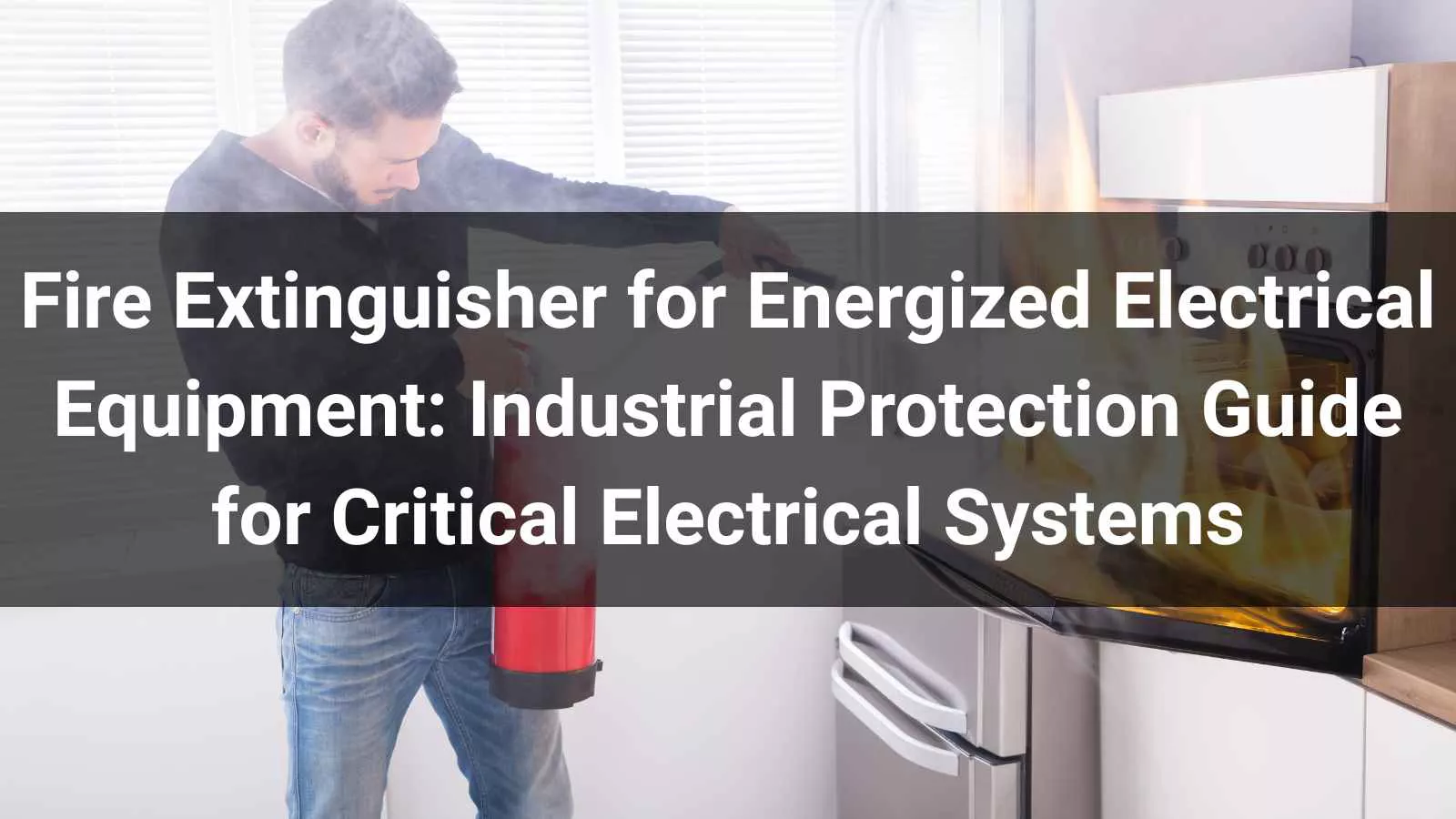
Fire Extinguisher for Energized Electrical Equipment: Industrial Protection Guide for Critical Electrical Systems
Modern industries rely heavily on electrical systems to maintain continuous operations, from power generation and distribution networks to manufacturing facilities, transportation infrastructure, and energy storage installations. However, as electrical equipment becomes more complex and operates under higher loads, the risk of fire incidents caused by electrical failures continues to increase.
Protecting energized electrical equipment requires a different approach from ordinary fire protection. Unlike common combustible material fires, electrical equipment fires often occur while systems are still connected to an active power source. In many industrial environments, immediately shutting down equipment is not always possible because power interruptions can lead to significant operational losses.
A suitable fire extinguisher for energized electrical equipment must do more than suppress visible flames. It should help protect valuable assets, reduce safety risks, and minimize downtime caused by equipment failure. For critical infrastructure such as transformers, substations, switchgear, and battery energy storage systems (BESS), relying only on traditional manual firefighting methods may not provide sufficient protection.
Industrial electrical fire safety requires a comprehensive strategy that combines early detection, rapid response, and equipment-specific suppression technologies. The goal is not only to extinguish a fire after it occurs but also to prevent a small electrical fault from developing into a major incident.
For this reason, many industrial operators are moving from simple portable extinguishers toward integrated electrical fire protection systems designed for continuous operation environments. These solutions are especially important for power grids, energy facilities, transportation systems, and other applications where electrical reliability is critical.
JUAND specializes in industrial fire safety solutions for high-risk applications, including power grid infrastructure, transportation systems, battery energy storage systems, and other critical electrical environments. Through customized fire suppression technologies and engineering solutions, JUAND helps organizations improve the safety and reliability of energized electrical equipment.
| Table of Contents | |
|---|---|
| 1 | |
| 2 | |
| 3 | |
| 4 | |
| 5 | |
| 6 | |
| 7 | |
| 8 | |
1. Understanding Fire Risks in Energized Electrical Equipment
Energized electrical equipment refers to electrical systems or components that remain connected to a power source during normal operation. These systems are essential for modern infrastructure but can present significant fire risks when electrical faults, overheating, or component failures occur.
Unlike ordinary fire scenarios, electrical equipment fires involve both combustion hazards and electrical safety risks. The presence of electrical energy affects how fires develop, how they should be approached, and which suppression methods are appropriate.
For industrial facilities, understanding these risks is the first step toward selecting an effective fire protection strategy.
1.1 What Makes Energized Equipment Different?
The main difference between energized electrical equipment and ordinary fire sources is that the equipment may continue carrying electrical current during a fire event.
This creates several unique challenges.
Continuous Power Operation
Many industrial systems are designed to operate continuously. Facilities such as power substations, manufacturing plants, and energy storage stations may not be able to immediately disconnect power without affecting critical operations.
As a result, fire protection systems must be capable of responding quickly while considering that the equipment may still be energized.
Increased Safety Risks for Personnel
Approaching electrical equipment during a fire can create additional hazards, including:
- Electrical shock risks
- Arc flash hazards
- Unexpected equipment failure
- Exposure to high temperatures
Because of these risks, manual firefighting may not always be the safest or most effective approach.
Industrial fire protection systems are often designed to reduce the need for personnel to directly approach dangerous equipment during emergencies.
Complex Equipment Structures
Industrial electrical equipment often contains multiple components within limited spaces.
Examples include:
- Transformers containing insulating materials
- Switchgear with multiple electrical connections
- Control cabinets with sensitive components
- Battery systems containing large numbers of cells
A fire inside these systems may not always be visible immediately. Internal overheating or electrical faults can develop before external flames appear.
This makes early detection and rapid suppression especially important.
1.2 Common Causes of Industrial Electrical Equipment Fires
Electrical equipment fires can occur due to various operational and environmental factors. Understanding these causes helps organizations develop more effective protection strategies.
Electrical Faults and Short Circuits
Electrical faults are among the most common causes of equipment fires.
Potential issues include:
- Damaged insulation
- Loose electrical connections
- Component failures
- Circuit overloads
When abnormal current flows through electrical components, excessive heat may be generated and eventually create ignition conditions.
Equipment Overheating
Many electrical systems operate under high loads for extended periods. Without proper monitoring, excessive heat accumulation can damage components and increase fire risks.
Common causes include:
- Poor ventilation
- Cooling system failures
- Excessive operating loads
- Aging components
Transformers, switchgear, and industrial control systems require continuous monitoring to reduce overheating-related risks.
Insulation Failure
Electrical insulation plays an essential role in preventing unwanted current flow between components.
Over time, insulation materials may deteriorate because of:
- Heat exposure
- Moisture
- Aging
- Mechanical stress
When insulation fails, electrical faults may occur and create conditions suitable for fire development.
Battery Thermal Runaway
With the rapid adoption of battery energy storage systems, thermal runaway has become an increasingly important fire safety concern.
Battery failures may generate:
- Extremely high temperatures
- Flammable gases
- Rapid fire propagation
Because battery fires can develop differently from traditional electrical fires, they require specialized BESS fire protection strategies.
1.3 Why Industrial Electrical Fire Protection Requires a Different Approach
Protecting energized electrical equipment is not simply about having a fire extinguisher nearby.
Industrial environments require solutions that consider:
- Equipment value
- Fire development speed
- Operational continuity
- Personnel safety
- Long-term reliability
For example, a small electrical cabinet and a high-voltage transformer may both involve electrical fire risks, but their protection requirements are completely different.
A cabinet may require a compact automatic suppression device, while a transformer or substation may require a large-scale engineered fire protection system.
Therefore, selecting the right fire extinguisher for energized electrical equipment should always be based on the specific application rather than a one-size-fits-all approach.
2. Why Traditional Fire Extinguishers Are Not Always Enough for Industrial Electrical Systems
Portable fire extinguishers are an important part of workplace fire safety, but they are not always sufficient for protecting large-scale energized electrical systems. In industrial environments, electrical equipment is often more complex, more valuable, and more difficult to access than ordinary electrical devices.
The purpose of industrial fire protection is not only to put out flames after ignition occurs. It is to detect risks early, respond quickly, and prevent fire incidents from causing extensive equipment damage or operational interruptions.
For critical electrical infrastructure, depending only on manual firefighting methods can create several limitations.
2.1 Limitations of Manual Fire Extinguishing Methods
A portable fire extinguisher requires immediate human action. This means the effectiveness of the response depends on several conditions:
- Whether the fire is detected quickly
- Whether trained personnel are available
- Whether the area can be safely accessed
- Whether the correct extinguishing method is selected
In industrial environments, these conditions cannot always be guaranteed.
Delayed Response Can Increase Fire Damage
Electrical fires can develop rapidly, especially when they occur inside enclosed equipment such as:
- Electrical cabinets
- Switchgear systems
- Battery containers
- Control panels
A small internal fault may generate heat before becoming visible. By the time personnel identify the problem and reach the equipment, the fire may have already affected multiple components.
Automatic detection and suppression systems can reduce this delay by responding during the early stages of fire development.
Personnel Access May Be Dangerous
Many industrial electrical systems operate in environments where direct access during a fire is risky.
Examples include:
- High-voltage substations
- Power transmission facilities
- Remote energy storage stations
Approaching energized equipment during an emergency may expose personnel to:
- Electrical shock
- Arc flash
- Heat exposure
- Smoke hazards
A properly designed fire protection system helps reduce the need for personnel to enter dangerous areas during the initial response stage.
Portable Extinguishers Have Limited Coverage
Portable extinguishers are designed for localized fire response. However, industrial electrical systems often involve multiple interconnected components.
For example, a transformer installation may include:
- Main transformer equipment
- Cooling systems
- Control systems
- Surrounding electrical infrastructure
A portable extinguisher may suppress visible flames but may not provide complete protection for the entire installation.
This is why critical electrical facilities increasingly adopt engineered electrical fire suppression systems designed around specific equipment risks.
2.2 When Automatic Fire Suppression Becomes Necessary
Automatic fire suppression systems are designed to provide continuous protection without relying entirely on manual operation.
These systems typically combine:
- Fire detection technology
- Control systems
- Suppression equipment
- Customized installation design
They are especially valuable in applications where equipment damage or downtime can have significant consequences.
Applications Requiring Advanced Protection
Automatic fire suppression systems are commonly used for:
- Power Substations: Substations contain high-value electrical equipment and often operate continuously. Fire incidents can affect both equipment reliability and power distribution stability.
- Transformers: Transformers require specialized protection because failures may involve high temperatures, insulation materials, and oil-related fire risks.
- Battery Energy Storage Systems: BESS installations require advanced protection because battery failures may involve thermal runaway and rapid fire spread.
- Industrial Control Systems: Modern manufacturing depends heavily on electrical automation. Protecting control systems helps prevent production interruptions caused by electrical fire incidents.
2.3 The Role of Early Detection in Electrical Fire Protection
A modern industrial fire protection strategy begins before visible flames appear.
Early detection technologies can identify abnormal conditions such as:
- Temperature increases
- Smoke generation
- Gas release
- Equipment abnormalities
Early warning allows facilities to take action before a small problem becomes a major fire event.
For example, in battery energy storage systems, detecting abnormal temperature changes or gas generation at an early stage can help prevent thermal runaway from spreading throughout the system.
Similarly, in electrical cabinets and power equipment, early detection can help identify overheating conditions before severe equipment damage occurs.
2.4 Moving from Fire Extinguishing to Fire Prevention
Traditional firefighting focuses on responding after a fire starts. However, industrial facilities increasingly require a preventive approach.
Modern electrical fire protection focuses on:
- Risk identification
- Continuous monitoring
- Automatic response
- Asset protection
This approach changes the role of fire protection from a simple emergency tool into a complete safety management system.
For organizations managing critical electrical infrastructure, the best solution is not simply finding a suitable fire extinguisher for energized electrical equipment, but selecting a complete protection strategy that matches the operational environment.
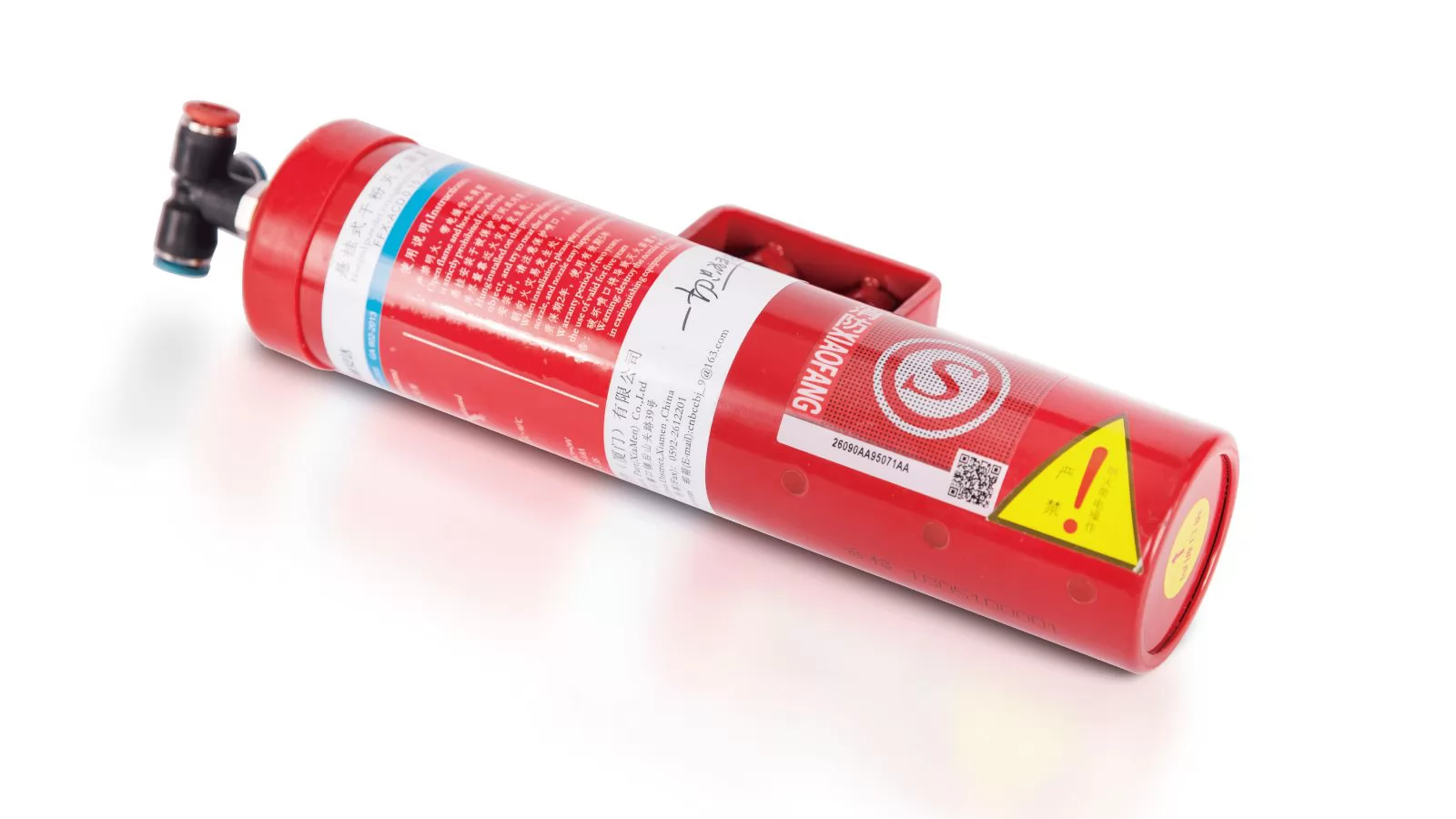
3. Choosing the Right Fire Protection Approach for Energized Electrical Equipment
Selecting the correct protection solution for energized electrical equipment requires more than comparing different extinguishing agents. Industrial facilities must evaluate the equipment type, fire risk, operating conditions, and protection objectives.
The right solution should achieve several goals:
- Suppress fire quickly
- Protect valuable equipment
- Reduce operational downtime
- Improve personnel safety
For small electrical incidents, portable extinguishers may provide an effective first response. However, for critical infrastructure, fixed automatic fire suppression systems are often the preferred approach.
3.1 Portable Extinguishers for Initial Fire Response
Portable extinguishers remain an important component of industrial fire safety.
Common extinguishing agents include:
CO₂ Extinguishers
CO₂ extinguishers are commonly used for certain electrical fire situations because they leave little residue after discharge.
Typical applications include:
- Small electrical equipment
- Control areas
- Electronic equipment rooms
Clean Agent Extinguishers
Clean agents are suitable for environments where protecting sensitive equipment is important.
Applications may include:
- Communication equipment
- Control rooms
- Electronic systems
Dry Chemical Extinguishers
Dry chemical extinguishers can provide rapid flame suppression and are widely used in many industrial environments.
However, the residue produced after discharge may not be suitable for some sensitive electrical equipment.
Portable extinguishers are valuable for immediate response, but their role is usually limited to controlling localized incidents. They are not always designed to protect large-scale electrical infrastructure.
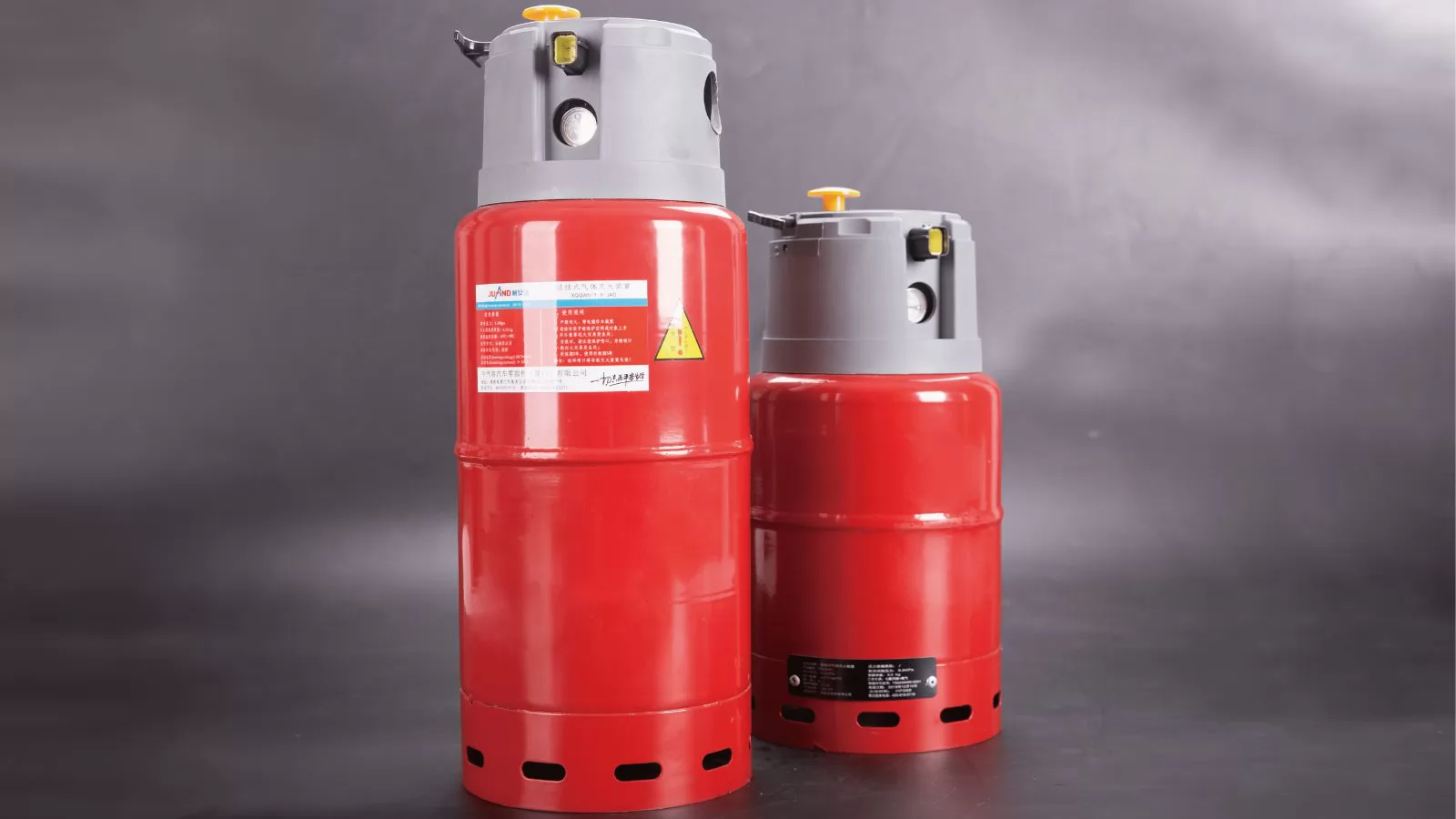
3.2 Fixed Automatic Fire Suppression Systems for Critical Equipment
For high-value electrical assets, fixed automatic suppression systems provide a higher level of protection.
These systems are designed according to:
- Equipment structure
- Fire risk characteristics
- Installation environment
- Required response time
Compared with portable extinguishers, automatic systems offer several advantages:
- Faster Response: The system can activate immediately after detecting a fire condition.
- Continuous Protection: Critical equipment remains protected even when personnel are unavailable.
- Customized Design: The suppression method can be engineered specifically for the protected equipment.
3.3 Why Industrial Facilities Prefer Customized Solutions
Different electrical applications require different protection strategies.
For example:
- A transformer may require a system designed for high-temperature and oil-related fire risks.
- A battery storage container requires protection against thermal runaway.
- An electrical cabinet may require compact automatic suppression due to limited installation space.
Therefore, industrial fire protection should always be application-based rather than relying on a general-purpose solution.
Companies such as JUAND develop customized fire safety solutions for different electrical environments, helping customers protect critical assets with appropriate suppression technologies.
4. Industrial Applications of Fire Protection for Energized Electrical Equipment
Industrial electrical systems support some of the most important infrastructure in modern society. From power transmission networks to renewable energy storage facilities, these systems must operate safely and reliably under demanding conditions.
Because different electrical applications involve different fire risks, there is no single protection method suitable for all equipment. A transformer, substation, electrical cabinet, and battery energy storage system each require different fire protection strategies based on their structure, operating environment, and potential failure scenarios.
For this reason, professional fire protection solutions for energized electrical equipment are usually designed around specific industrial applications.
JUAND provides customized industrial fire safety solutions for critical electrical systems, including power grid infrastructure, transportation applications, and battery energy storage systems. These solutions focus on early detection, rapid suppression, and protection of high-value equipment.
4.1 Transformer Fire Protection Systems
Transformers are essential components in power generation, transmission, and distribution networks. They convert electrical voltage levels and enable efficient power delivery across large-scale electrical systems.
Because transformers often operate continuously under high electrical loads, they require reliable fire protection strategies.
Common Transformer Fire Risks
Transformer fires may occur due to various factors, including:
- Electrical insulation failure
- Internal faults
- Overheating
- Aging components
- Oil ignition risks
Many large transformers use insulating materials or transformer oil to support operation and cooling. Under abnormal conditions, these materials can become involved in fire incidents.
A transformer fire can create serious consequences because it may affect power supply reliability, nearby electrical equipment, industrial operations, and public infrastructure.
Why Transformers Need Specialized Protection
Traditional portable extinguishers are usually not sufficient for transformer protection because transformers are large-scale electrical assets, may contain internal fire sources, require rapid response, and are often located in critical facilities.
A professional transformer fire protection system typically focuses on:
- Early fire detection
- Automatic suppression activation
- Rapid flame control
- Equipment damage reduction
The objective is not only to extinguish the fire but also to prevent escalation and protect surrounding infrastructure.
JUAND Transformer and Power Infrastructure Fire Safety Solutions
JUAND develops fire safety solutions for power grid applications, including transformer and electrical infrastructure protection.
By combining advanced detection and suppression technologies, these solutions help power operators improve equipment reliability, emergency response capability, and long-term operational safety.
For power utilities and industrial operators, investing in dedicated transformer protection can significantly reduce the impact of potential fire incidents.
4.2 Substation and Power Grid Fire Safety
Substations are critical connection points within electrical networks. They contain multiple high-voltage components responsible for controlling and distributing electrical power.
Because substations often operate continuously and contain high-value equipment, effective power grid fire safety is an essential part of electrical infrastructure management.
Fire Risks in Substation Environments
Substations may face risks from transformer failures, switchgear faults, cable overheating, electrical component aging, and external environmental conditions.
A fire in one area of a substation can potentially affect nearby equipment and cause large-scale service interruptions.
Challenges of Protecting Energized Substations
Substation fire protection is more complex than ordinary fire suppression because:
- Equipment Cannot Always Be Immediately Shut Down: Many power facilities need to maintain operation to ensure grid stability.
- Equipment Is Often Installed Outdoors or in Large Areas: Fire protection systems must work reliably under different environmental conditions.
- Personnel Access May Be Limited: During an emergency, approaching high-voltage equipment may not always be safe.
Automatic Fire Protection for Power Grid Applications
Modern substation protection often includes fire detection systems, automatic suppression systems, and equipment-specific protection designs. These solutions help reduce dependence on manual firefighting and provide faster response during critical situations.
JUAND's power grid fire safety solutions are designed for applications such as power substations, converter stations, and high-value electrical equipment. The goal is to help operators protect essential infrastructure while maintaining safe and reliable power operation.
4.3 Electrical Cabinet and Control System Protection
Electrical cabinets are widely used across industrial automation, manufacturing, transportation, and energy systems.
Although smaller than transformers or substations, electrical cabinets can create significant fire risks because they contain concentrated electrical components within limited spaces.
Common Electrical Cabinet Fire Causes
Electrical cabinet fires may result from loose connections, component overheating, short circuits, aging wiring, and dust accumulation.
Because many cabinets contain sensitive electronic components, even a small fire can cause expensive damage and production interruptions.
Why Cabinet-Level Fire Protection Matters
Traditional firefighting methods may not always be suitable for electrical cabinets because the fire may begin internally, access may be limited, and equipment downtime can be costly.
A compact automatic suppression system can provide targeted protection by detecting and controlling fires at an early stage.
Benefits include fast response, minimal equipment damage, reduced production interruption, and protection of sensitive components.
JUAND provides automatic fire extinguishing solutions designed for compact electrical equipment applications, helping industries improve the safety of control systems and electrical cabinets.
4.4 Battery Energy Storage System Fire Protection
Battery energy storage systems (BESS) are becoming increasingly important for renewable energy integration, grid stabilization, and power management.
However, battery systems introduce unique fire risks that require specialized protection approaches.
Unique Fire Risks of BESS
Unlike traditional electrical equipment, batteries can experience complex internal failures. Potential risks include thermal runaway, battery cell failure, gas generation, and rapid fire spread.
Once thermal runaway occurs, the reaction can spread from one battery cell to surrounding modules if not controlled effectively.
Why Traditional Fire Extinguishing Methods May Not Be Enough
BESS fires are challenging because heat may develop inside battery modules, fire sources may be difficult to access, and reignition risks may exist.
Therefore, effective BESS protection requires more than a conventional extinguisher.
A complete BESS fire protection strategy may include early detection systems, temperature monitoring, gas detection, and automatic suppression technology.
JUAND BESS Fire Safety Solutions
JUAND provides dedicated BESS fire protection solutions designed for modern energy storage applications.
These solutions focus on detecting abnormal conditions early, controlling fire development, protecting battery containers, and improving energy storage safety.
As global energy systems continue evolving, reliable BESS fire protection will become increasingly important for safe renewable energy deployment.
5. How to Select an Industrial Fire Protection Solution for Energized Equipment
Selecting the right protection solution for energized electrical equipment requires a comprehensive understanding of the equipment, operating environment, and potential fire risks.
For industrial facilities, the goal is not simply to find a suitable fire extinguisher for energized electrical equipment, but to develop a complete fire safety strategy that protects assets, improves operational reliability, and reduces the impact of unexpected incidents.
A well-designed electrical fire protection system should consider multiple factors, including equipment type, fire risk characteristics, response requirements, and long-term maintenance needs.
5.1 Evaluate the Type of Electrical Equipment and Fire Risk
Different electrical systems have different failure mechanisms and protection requirements. Before selecting a fire protection solution, organizations should evaluate the specific equipment being protected.
Transformers
Transformers require specialized protection because they operate under high electrical loads, may contain insulating materials, can experience internal electrical faults, and may involve oil-related fire risks. A suitable transformer protection strategy should focus on early detection and rapid suppression to prevent fire escalation.
Switchgear and Electrical Cabinets
Switchgear and electrical cabinets usually contain multiple electrical components within compact spaces. Important considerations include limited installation space, sensitive electronic components, and the requirement for fast response. Compact automatic suppression solutions are often suitable for these applications because they can provide targeted protection without requiring large system installations.
Battery Energy Storage Systems
BESS installations require specialized protection due to lithium battery characteristics, thermal runaway risks, and potential fire propagation between modules. Protection systems must consider not only flame suppression but also early detection and prevention of escalation.
5.2 Consider Detection and Response Requirements
A complete industrial fire protection solution should include both detection and suppression. Fire suppression alone is not enough if the system cannot identify risks early.
Important capabilities include:
Early Warning Detection
Early detection technologies can monitor abnormal conditions such as temperature changes, smoke development, gas generation, and equipment abnormalities. By identifying problems before visible flames appear, facilities can improve response efficiency.
Automatic Activation
Automatic activation allows the system to respond without waiting for personnel intervention. This is especially important for remote substations, unmanned facilities, battery storage stations, and critical electrical infrastructure.
Rapid Fire Suppression
The suppression method should match the application. Different equipment requires different approaches because fire characteristics vary significantly between transformers, electrical cabinets, and BESS containers. A properly designed system should control the fire quickly while minimizing damage to surrounding equipment.
5.3 Evaluate Maintenance, Reliability, and Lifecycle Performance
Fire protection systems are long-term safety investments. Selecting a solution should involve evaluating not only initial installation but also ongoing performance.
Important considerations include:
- System inspection requirements
- Maintenance procedures
- Reliability of components
- Technical support availability
- Long-term operating costs
A reliable fire protection system should continue providing effective protection throughout the service life of the electrical equipment.
For industrial facilities, cooperation with an experienced fire safety solution provider can help ensure that the system is correctly designed, installed, and maintained.
6. Why Choose JUAND for Energized Electrical Equipment Fire Protection
Protecting energized electrical equipment requires specialized knowledge, reliable technology, and application-specific engineering.
Industrial customers need more than standard firefighting products. They need a partner capable of understanding complex operational environments and providing suitable fire protection solutions.
JUAND focuses on industrial fire safety applications and develops customized solutions for critical infrastructure, including power grids, transportation systems, battery energy storage systems, and other high-risk electrical environments.
6.1 Customized Solutions for Different Industrial Applications
Every electrical system has different fire protection requirements. JUAND provides application-oriented solutions designed around specific operational challenges.
Power Grid Fire Safety Solutions
Power infrastructure requires highly reliable protection because equipment failures can affect electricity supply and critical services. JUAND provides fire safety solutions for power substations, transformer systems, and electrical infrastructure, focusing on rapid response, equipment protection, and operational continuity.
BESS Fire Safety Solutions
Battery energy storage systems require specialized protection due to the complexity of battery-related fire risks. JUAND's BESS fire safety solutions are designed to address thermal runaway risks, battery container protection, early fire detection, and rapid suppression, supporting safer deployment of modern energy storage technologies.
Transportation Fire Safety Solutions
Modern transportation systems increasingly depend on electrical systems and battery technologies. Electrical fire protection is important for electric transportation equipment, rail-related electrical systems, and supporting infrastructure. JUAND develops fire safety solutions designed for evolving transportation applications.
6.2 Advanced Fire Suppression Technologies
Industrial electrical fire protection requires technologies that can respond quickly and reliably. JUAND focuses on developing advanced fire safety technologies, including automatic fire extinguishing systems, compressed air foam fire suppression technology, and specialized fire protection devices.
These technologies are designed to provide faster emergency response, reduced equipment damage, and improved operational safety. Compared with traditional manual firefighting methods, automated systems provide continuous protection and reduce dependence on human intervention.
6.3 A Professional Partner for Critical Infrastructure Protection
For companies managing electrical infrastructure, choosing the right fire protection partner is an important decision.
A reliable provider should offer technical expertise, customized engineering solutions, application-specific recommendations, and long-term service support.
JUAND works with industrial customers to develop fire protection strategies that match their equipment requirements and operational goals. By combining intelligent detection, rapid suppression, and customized system design, JUAND helps organizations improve the safety and reliability of energized electrical equipment.
7. Frequently Asked Questions About Fire Protection for Energized Electrical Equipment
7.1 Can energized electrical equipment be protected without shutting down power?
Yes. Many industrial fire protection systems are specifically designed for environments where electrical equipment remains energized.
However, the protection method depends on equipment type, voltage level, fire risk, and system design. Automatic fire suppression solutions can provide protection without requiring immediate manual access to dangerous equipment.
7.2 Why are automatic fire suppression systems used in substations?
Automatic systems are commonly used in substations because they provide rapid response and continuous protection.
Substations often contain high-value electrical equipment, high-voltage systems, and limited-access areas. Automatic suppression helps reduce response time and minimize equipment damage.
7.3 What fire protection system is suitable for transformers?
Transformer protection usually requires a dedicated system designed around transformer-specific risks.
Important factors include transformer size, installation environment, fire risk characteristics, and required response speed. Professional transformer fire protection systems typically combine detection and suppression technologies.
7.4 How does BESS fire protection reduce thermal runaway risks?
BESS fire protection focuses on early detection and rapid control. A complete solution may include temperature monitoring, gas detection, automatic suppression, and container-level protection. These measures help prevent fire escalation and improve battery system safety.
7.5 Are portable extinguishers enough for industrial electrical equipment?
Portable extinguishers are useful for initial fire response, but they are not always sufficient for large industrial electrical systems.
Critical equipment such as transformers, substations, and BESS installations usually requires more comprehensive protection, including detection and automatic suppression systems.
Conclusion
Protecting energized electrical equipment requires a comprehensive approach that goes beyond traditional firefighting methods. While portable extinguishers can provide initial response capability, industrial facilities often need advanced solutions designed specifically for critical electrical assets.
Transformers, substations, electrical cabinets, and battery energy storage systems all present unique fire risks that require specialized protection strategies.
The right fire extinguisher for energized electrical equipment is not simply a single product choice. It is part of a complete electrical fire protection system that combines early detection, rapid suppression, and application-specific engineering.
JUAND provides customized industrial fire safety solutions for power grids, transportation systems, and BESS applications, helping organizations protect valuable equipment, reduce operational risks, and improve infrastructure reliability.
As electrical systems continue to evolve, professional fire protection solutions will play an increasingly important role in ensuring safer and more resilient industrial operations. Contact us today to find the ideal electrical fire protection solution for your facility and get a personalized quote.

