
The Complete Guide on Automatic Fire Extinguishing Devices: Types & B2B Selection
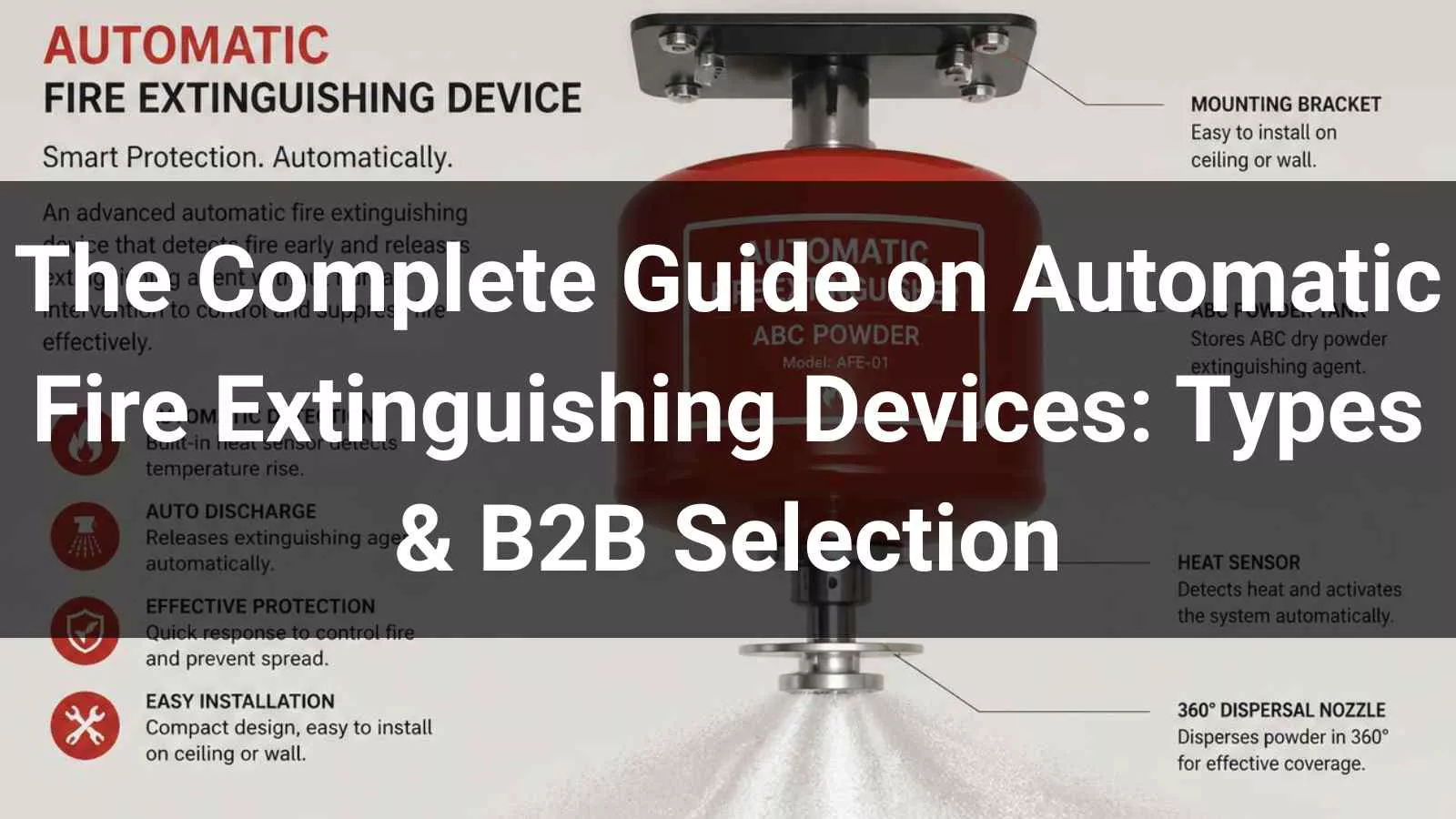
With the accelerating pace of industrial automation, electrification, and heavy-equipment manufacturing, high-value machinery operates under increasingly demanding conditions. High temperatures, volatile fluids, high-voltage electrical circuits, and friction create persistent fire risks in enclosed, critical compartments.
When a fire erupts within a vehicle engine bay, a high-voltage CNC cabinet, or an energy storage enclosure, manual intervention is often impossible or too slow to prevent catastrophic equipment loss. This is where an automatic fire extinguishing device becomes a vital safety asset.
This comprehensive B2B selection guide explores how modern automated suppression systems operate, analyzes their primary categories, and establishes a practical framework for vehicle OEMs, equipment manufacturers, and industrial procurement managers seeking custom safety solutions.
Table of Contents
1. What Is an Automatic Fire Extinguishing Device & How Does It Work?
2. Why B2B Equipment OEMs and Industrial Facilities Need Automated Suppression
3. Major Types of Automatic Fire Extinguishing Devices
4. Key Components of a Reliability-Driven Fire Extinguishing System
5. Key Applications Across B2B Industries
6. How to Choose the Right Fire Suppression Manufacturer
7. Why Partner with JUAND for Custom Fire Protection Solutions
1. What Is an Automatic Fire Extinguishing Device & How Does It Work?
An automatic fire extinguishing device is a self-activating, localized fire protection system designed to detect thermal anomalies and suppress fires at their exact point of origin without human intervention.
Unlike traditional total-flooding building sprinklers or portable hand-held extinguishers, these devices are engineered to protect micro-environments—confined spaces where flammable materials and potential ignition sources coexist.
The Three-Step Suppression Workflow
- Step 1: Detection: The system continuously monitors the ambient micro-environment via thermal detection tubing, heat-sensitive bulbs, electrical sensors, or pneumatic pressure differential wires.
- Step 2: Activation: Upon reaching a pre-calibrated temperature or sensing flame signature, the detection mechanism triggers the immediate opening of the cylinder valve or punctures the storage seal.
- Step 3: Discharge: The extinguishing medium (clean gas, dry powder, water mist, or aerosol) is rapidly discharged directly onto the hazard zone via specialized delivery nozzles or the detection tube itself.
2. Why B2B Equipment OEMs and Industrial Facilities Need Automated Suppression
For industrial procurement managers and OEM product designers, integrating an automatic fire suppression system is not merely about regulatory compliance—it is an essential risk mitigation and asset protection strategy.
Unattended 24/7 Protection
Industrial machinery, power distribution systems, and fleet vehicles frequently operate during off-hours or in remote locations without active human oversight. Automated devices provide instant response around the clock, eliminating human latency.
Downtime and Asset Preservation
The financial impact of an industrial fire extends far beyond immediate physical damage. Unplanned production downtime, lead times for custom replacement machinery, and supply chain delays can cripple profitability. Suppressing a fire within the first 5 to 10 seconds confines damage to isolated components.
Enhanced Safety Compliance and Insurance Requirements
Regulatory authorities and commercial insurers increasingly mandate automated fire protection for high-risk equipment categories (such as mining vehicles, public transit buses, and high-voltage energy storage systems).
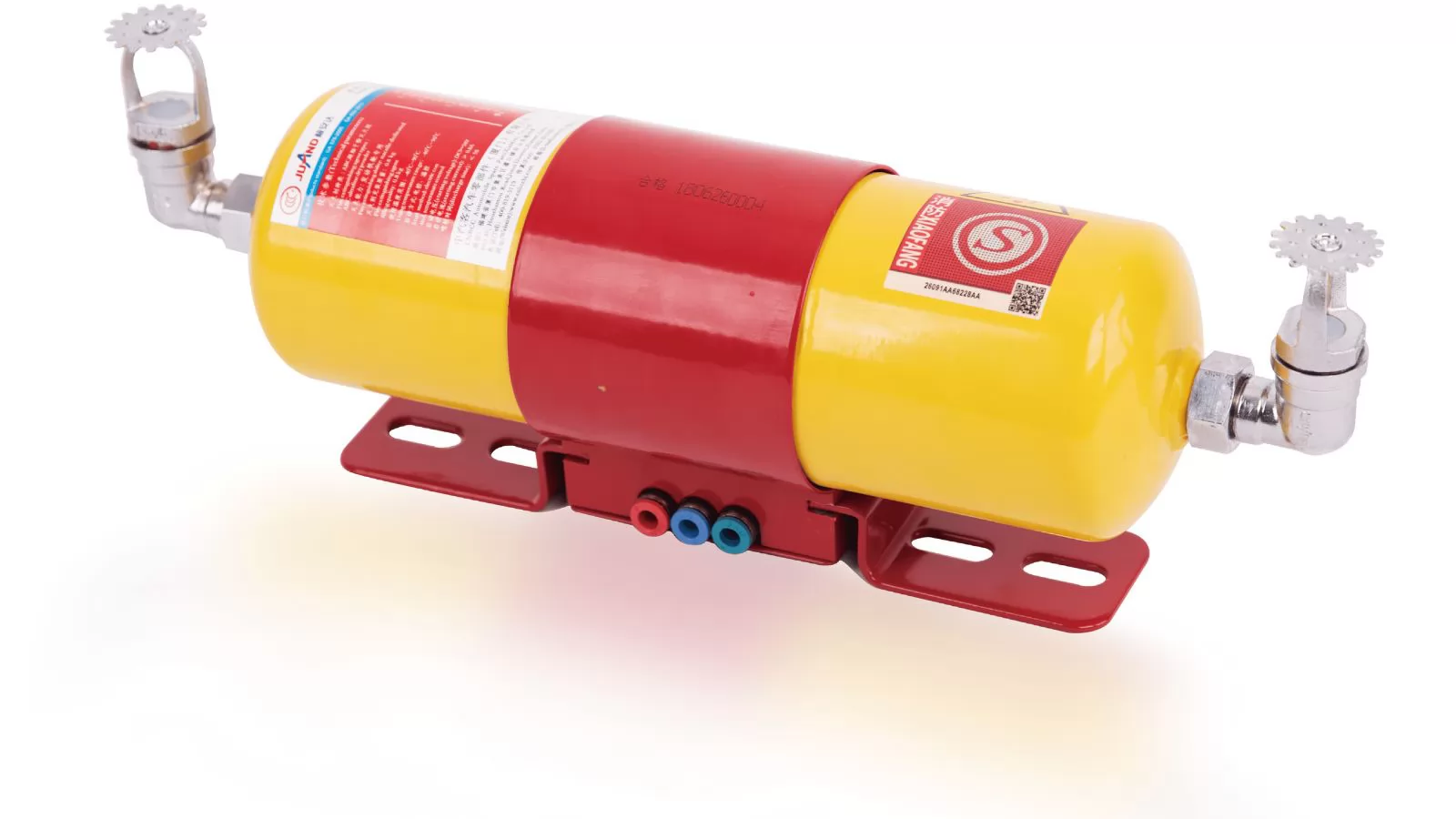
3. Major Types of Automatic Fire Extinguishing Devices
Selecting the correct suppression medium and activation mechanism depends on the enclosed space's volume, environmental conditions, and potential fire class (Class A, B, C, or electrical).
1. Tube-Type Automatic Fire Extinguishing Systems
- Mechanism: Utilizes flexible polymer detection tubing pressurized with nitrogen or inert gas. When exposed to flame or specific temperatures (typically 110°C–170°C), the tube ruptures at the hottest spot, releasing the agent either directly through the burst point (Direct System) or triggering a separate manifold (Indirect System).
- Best Uses: Engine bays, small electrical cabinets, vehicle compartments.
2. Clean Agent Gas Suppression Systems (FM-200, Novec 1230, CO2)
- Mechanism: Discharges colorless, electrically non-conductive gas that extinguishes fire by absorbing heat or displacing oxygen without leaving physical residue.
- Best Uses: Server rooms, sensitive CNC electronics, telecommunications switchgears, and control rooms.
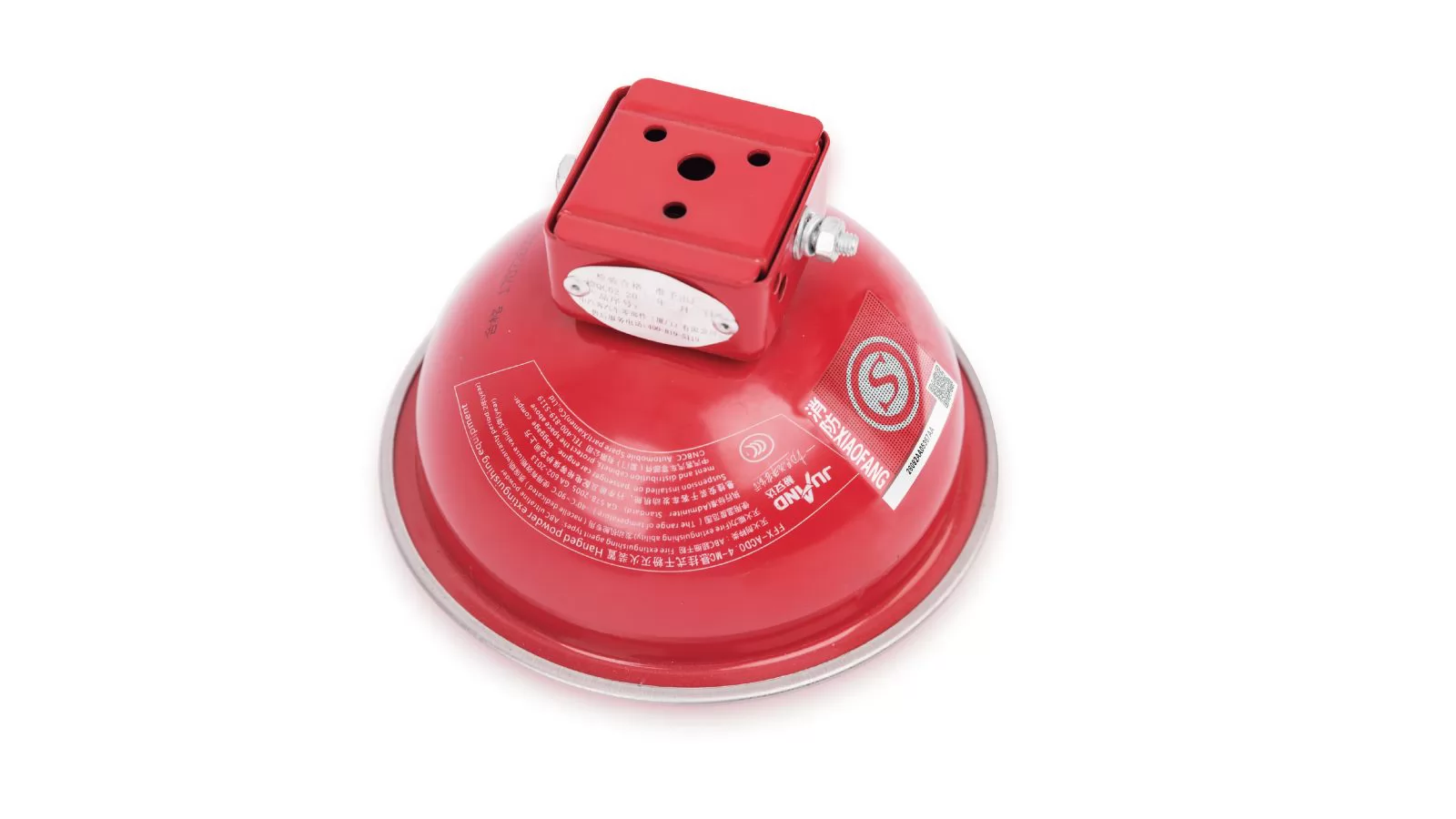
3. Dry Powder Automatic Fire Extinguishing Systems
- Mechanism: Deploys fine chemical powders (such as monoammonium phosphate) to chemically inhibit combustion and blanket the fire source rapidly.
- Best Uses: Heavy industrial machinery, mining vehicles, fuel storage areas, and Class A/B/C multi-hazard environments.
4. Aerosol & Localized Water Mist Devices
- Mechanism: Generates ultrafine solid particles or micro-droplets to smother thermal reactions quickly while maintaining low system weight and footprint.
- Best Uses: Enclosed battery bays, small machinery, compact power generators.
| Device Category | Primary Suppression Agent | Clean / Residue-Free | Best Applications | Maintenance Profile |
| Pneumatic Tube Systems | Clean Gas / Dry Powder | Dependent on Agent | Vehicle Engines, Cabinets | Low - Visual Pressure Checks |
| Clean Agent Gas | FM-200 / Novec 1230 / CO2 | Yes (100% Clean) | Electronics, Server Rooms | Moderate - Pressure/Weight Checks |
| Dry Powder | ABC Chemical Powder | No (Requires Cleanup) | Heavy Mining, Fuel Lines | Low - Periodic Inspection |
| Aerosol Units | Condensed Aerosol | Minimal Residue | Compact Electrical Compartments | Low - Solid-State Reliability |
4. Key Components of a Reliability-Driven Fire Extinguishing System
When evaluating suppliers, engineers must evaluate the structural integrity of all key sub-assemblies:
- Storage Cylinder & Valve Assembly: Manufactured from high-tensile alloy steel or aluminum, capable of withstanding thermal expansions, vibration, and mechanical stress.
- Detection Network: Thermal trace lines, pneumatic pressure switches, or linear heat sensors rated for harsh working environments.
- Distribution & Discharge Assembly: Corrosion-resistant brass or stainless steel nozzles engineered for specific dispersion angles.
- Feedback & Signal Interfaces: Integrated pressure switches that interface with vehicle dashboards, emergency engine cut-offs, or central MES/SCADA monitoring networks.
5. Key Applications Across B2B Industries
- Commercial Vehicles & Transit: Public buses, coaches, logistics trucks, and passenger transport where engine compartment fires pose life-safety risks.
- Heavy Off-Highway Machinery: Construction, forestry, and mining equipment operating under severe thermal loads and vibration.
- CNC & Precision Manufacturing: Machining centers using oil-based coolants where spark ignition risks are present.
- Renewable Energy & Battery Storage: Battery Energy Storage System (BESS) containers, solar inverters, and wind turbine nacelles.
- Electrical Distribution: High-voltage switchgears, transformer cabinets, and industrial control rooms.
6. How to Choose the Right Fire Suppression Manufacturer
Selecting an industrial fire protection supplier requires rigorous verification beyond baseline product specs.
- Customization & Engineering Support: Does the supplier offer custom mounting brackets, variable tube lengths, and tailored activation temperatures suited to your exact machinery footprint?
- Environmental & Structural Resilience: Equipment mounted on heavy vehicles must endure relentless vibration, moisture, dust, and temperature extremes (-40°C to +85°C) without false activations or structural fatigue.
- Quality Standards & Testing: Ensure the manufacturer adheres to recognized quality control workflows, rigorous pressure testing, and clear batch traceability.
- Supply Chain Dependability: Evaluate lead times, OEM/ODM production scalability, and technical documentation completeness.
7. Why Partner with JUAND for Custom Fire Protection Solutions
For global original equipment manufacturers (OEMs) and industrial procurement leaders seeking high-reliability automatic fire suppression equipment, JUAND stands out as a specialized engineering and manufacturing partner.
Specialized Engineering & Customization Capabilities
JUAND focuses on designing engineered fire protection solutions tailored to specific equipment dimensions and operational risk profiles. Whether integrating micro-tubing systems into compact electrical cabinets or equipping heavy vehicle engine bays with robust suppression networks, JUAND’s design team collaborates closely with client engineering departments from initial prototyping through mass assembly.
Built for Demanding Environments
JUAND’s automatic fire extinguishing devices feature high-grade components designed to resist vibration, thermal cycling, and harsh industrial atmospheres. This attention to mechanical durability minimizes the risk of false discharges while ensuring rapid, zero-delay activation when a real thermal event occurs.
End-to-End OEM/ODM Support
- Tailored System Assemblies: Custom manifold configurations, cylinder capacities, and trigger options.
- Rigorous Quality Control: Every unit undergoes strict pressure testing and quality inspections before dispatch.
- Global Procurement Readiness: Responsive lead times, complete technical specifications, and dedicated export support.
8. Conclusion & Technical Consultation
Integrating an automatic fire extinguishing device into high-value machinery, commercial vehicles, and electrical infrastructure is a proactive investment in operational continuity, safety, and brand reputation. By understanding the mechanical advantages of tube-based, clean agent, and dry powder systems, procurement and safety teams can make well-informed, long-term procurement decisions.
Partner with JUAND for Your Next Project
Looking to enhance your equipment safety standards or source custom OEM fire suppression systems?
Visit JUAND Official Website to explore technical specifications, review custom product options, or consult directly with an application engineer for a tailored proposal.

