
What Fire Extinguisher for Electrical Fires – Safety Guide
Introduction: Why Electrical Fire Safety Matters
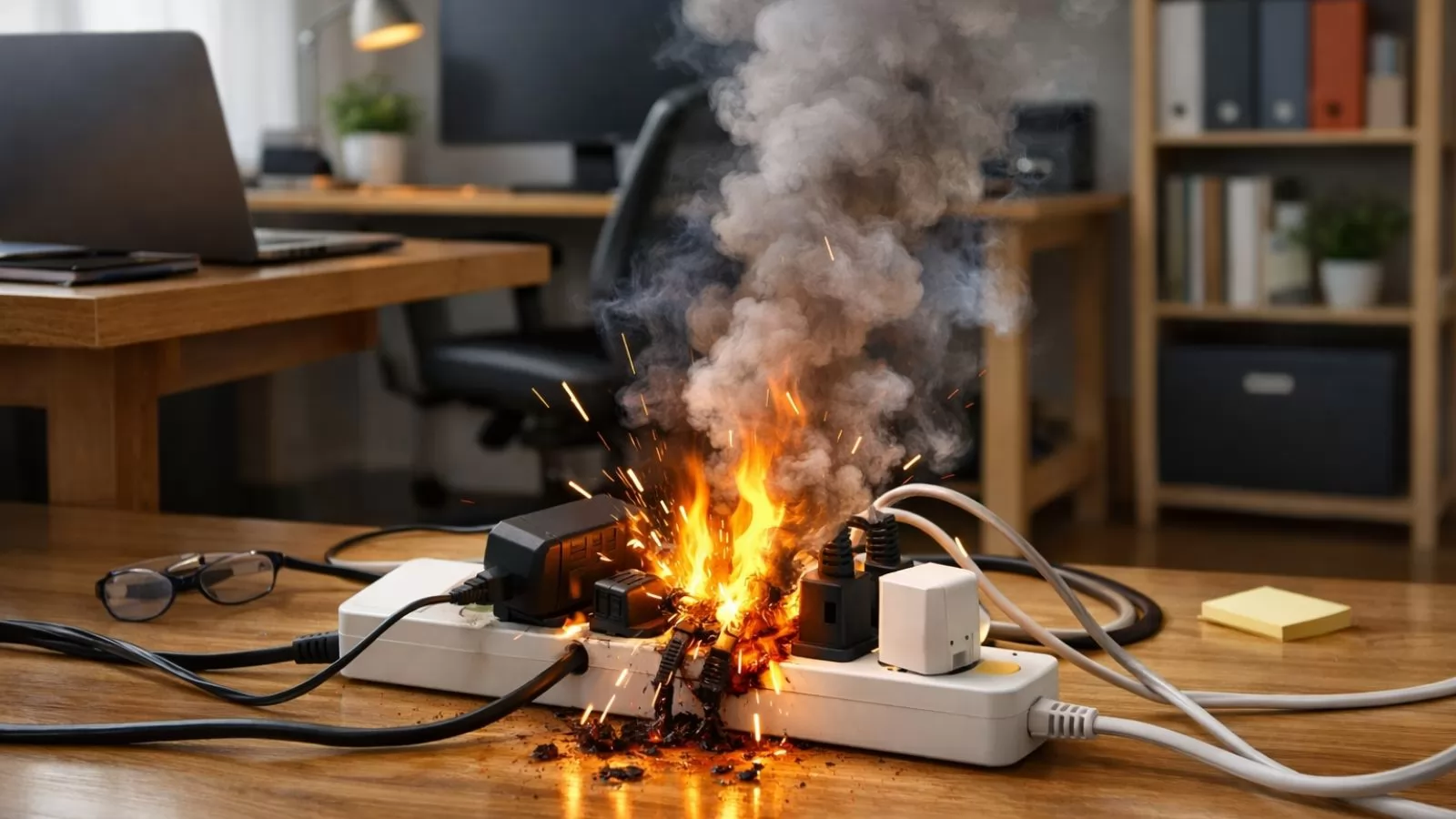
Electrical fires are one of the most common yet potentially dangerous hazards in homes and businesses. Unlike ordinary fires, which often involve paper, wood, or cloth, electrical fires originate from energized equipment, faulty wiring, or overloaded circuits. Using the wrong type of fire extinguisher can not only fail to put out the fire but also create a severe risk of electrocution.
Understanding which fire extinguisher is suitable for electrical fires is crucial for effective fire safety. Choosing the right extinguisher ensures rapid suppression, reduces property damage, and most importantly, protects lives. This guide provides a comprehensive overview of electrical fires, explains the types of fire extinguishers safe for such hazards, and offers practical advice for selecting, using, and maintaining them in both residential and commercial settings.
By the end of this guide, homeowners and business managers alike will gain the knowledge needed to prepare for electrical fire emergencies and respond confidently while minimizing risk.
What Is an Electrical Fire?
An electrical fire occurs when an electrical source ignites combustible materials nearby. Common causes include short circuits, exposed wires, malfunctioning appliances, overloaded power strips, and damaged electrical equipment. These fires are classified under Class C in the fire safety system, which identifies fires involving energized electrical sources.
Electrical fires differ from ordinary fires in several ways:
- Immediate risk of electrocution: Since the fire involves live electricity, direct contact with the flames or conductive materials can be extremely dangerous.
- Unpredictable spread: Electrical fires can ignite surrounding flammable materials quickly, especially in office environments or homes with extensive wiring.
- Special extinguishing requirements: Water or standard foam extinguishers are not safe, as they conduct electricity and can worsen the hazard.
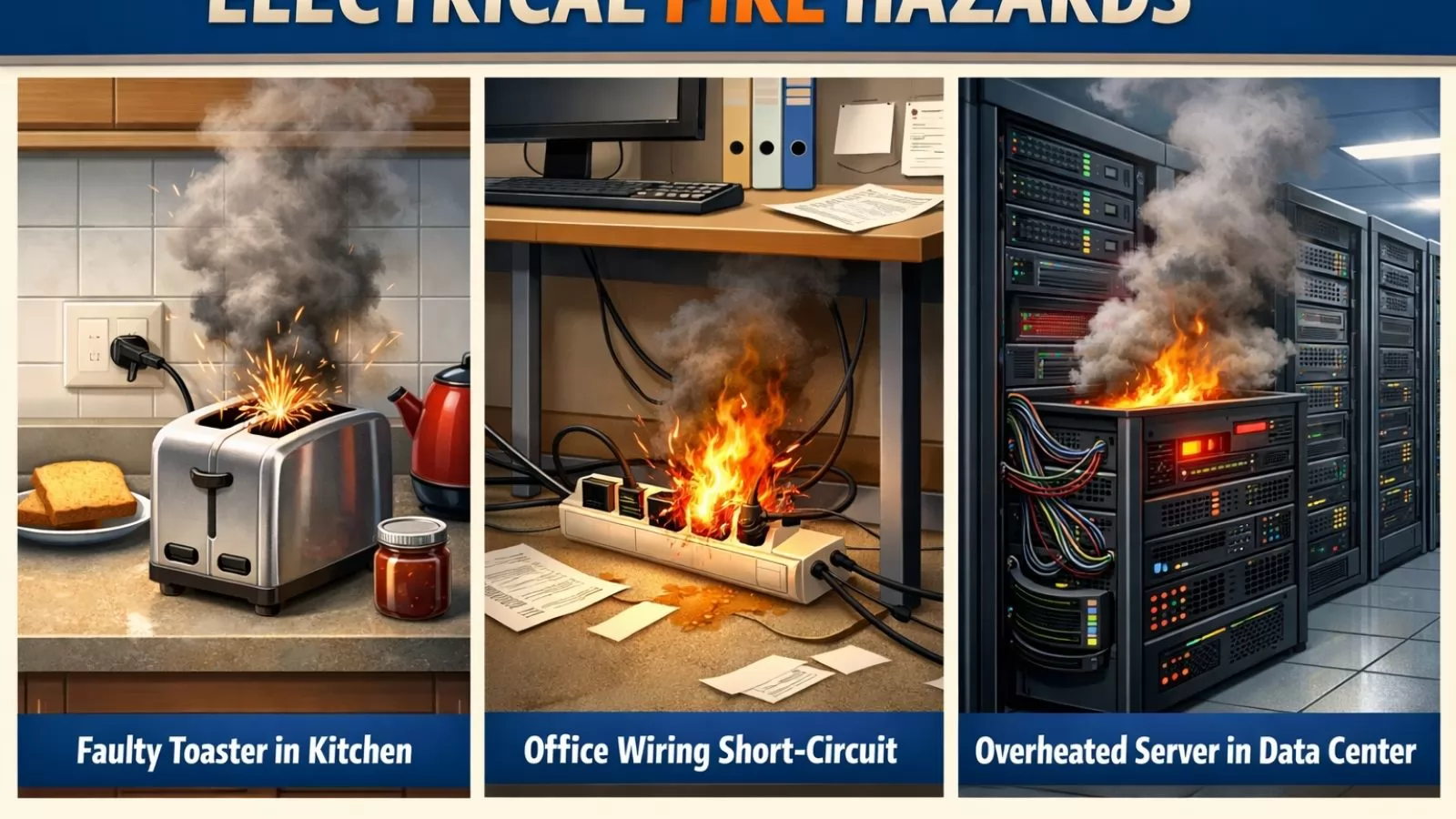
Common scenarios include a toaster sparking in a kitchen, a short circuit in office wiring, or a server overheating in a data center. Recognizing the potential sources of electrical fires and understanding their behavior is the first step toward effective fire prevention and emergency response.
Why Electrical Fires Require Special Fire Extinguishers
Electrical fires present unique hazards that make them fundamentally different from ordinary fires. The presence of energized equipment creates a risk of electrocution, and using the wrong type of extinguisher can make the situation far more dangerous. Standard water-based extinguishers, for example, conduct electricity and can spread the electrical current to the user or other nearby objects.
To safely suppress electrical fires, it is essential to use extinguishing agents that are non-conductive and capable of interrupting the chemical reaction of the fire without posing additional electrical hazards. These extinguishers are classified as Class C in fire safety standards, specifically designed for energized electrical equipment.
Key reasons why special fire extinguishers are required for electrical fires include:
- Electrical conductivity: Water and foam extinguishers can conduct electricity, increasing the risk of electrocution.
- Rapid spread: Electrical sparks can ignite surrounding combustible materials, so a quick and controlled extinguishing method is necessary.
- Equipment protection: Sensitive electronics such as computers, servers, and office equipment require extinguishers that minimize residue and collateral damage.
By understanding these risks, homeowners and business managers can make informed decisions when selecting fire extinguishers, ensuring that they are both effective in suppressing electrical fires and safe to use in environments with energized equipment.
Understanding Fire Extinguisher Classes (A, B, C, D, K)
Fire extinguishers are classified based on the type of fire they are designed to combat. Understanding these classifications is essential for selecting the right extinguisher for your home or business. The primary classes include:
- Class A: Fires involving ordinary combustibles such as wood, paper, and textiles.
- Class B: Fires involving flammable liquids, including gasoline, oil, paint, and solvents.
- Class C: Fires involving energized electrical equipment. These require non-conductive extinguishing agents.
- Class D: Fires involving combustible metals like magnesium, potassium, and sodium, often in industrial settings.
- Class K: Fires involving cooking oils and fats, typically in commercial kitchens.
To make it easier to understand, the following table summarizes the key classes and their applications:
| Class | Suitable For | Not Suitable For |
|---|---|---|
| A | Wood, paper, textiles | Electrical equipment, flammable liquids |
| B | Gasoline, oil, paint, flammable liquids | Live electrical equipment |
| C | Live electrical equipment | Ordinary combustibles (A) and cooking oils (K) |
| D | Combustible metals (magnesium, sodium, etc.) | General household or office fires |
| K | Cooking oils and fats | Electrical fires, metals, general combustibles |
Understanding these classes helps ensure that the right extinguisher is selected for each type of fire, improving safety and effectiveness during an emergency.
Best Fire Extinguisher for Electrical Fires
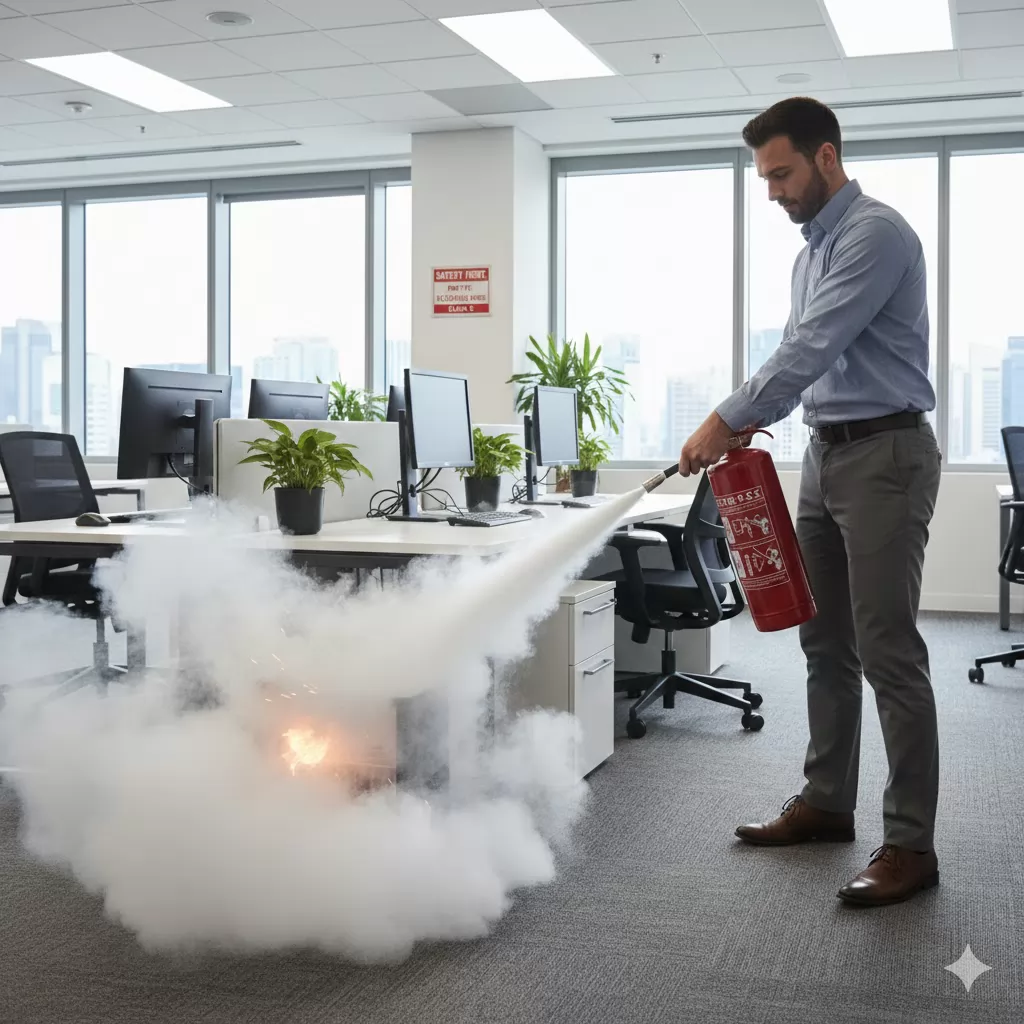
When dealing with electrical fires, it is essential to use fire extinguishers that are specifically designed to handle energized equipment safely. The following types are most effective for homes, offices, and commercial settings:
1. Carbon Dioxide (CO₂) Fire Extinguishers
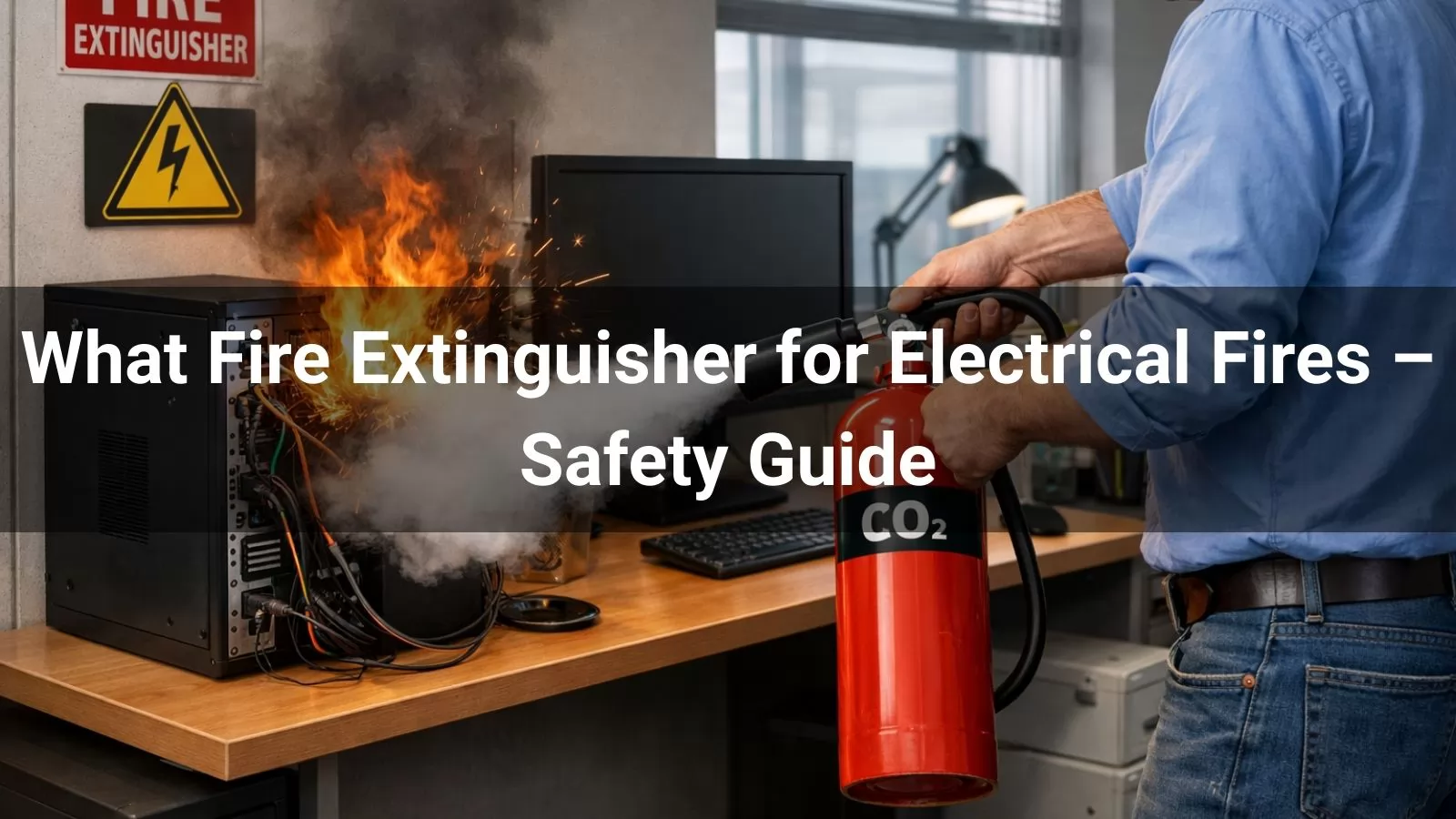
CO₂ extinguishers are widely recommended for electrical fires because they use carbon dioxide gas to displace oxygen, effectively suffocating the fire without conducting electricity. They are ideal for use on computers, servers, office equipment, and small appliances.
- Advantages: Non-conductive, leaves no residue, safe for sensitive electronics.
- Limitations: Short discharge time, less effective on large fires or deep Class A materials.
2. Dry Chemical (ABC / BC) Fire Extinguishers
Dry chemical extinguishers are versatile and effective on multiple fire classes, including Class C electrical fires. They work by interrupting the chemical reaction of the fire. ABC dry chemical extinguishers can also handle Class A (combustibles) and Class B (flammable liquids) fires, making them suitable for mixed hazard environments.
- Advantages: Multipurpose, widely available, effective on small to medium-sized electrical fires.
- Limitations: Leaves powder residue that may require cleanup and can damage sensitive electronics.
3. Clean Agent Fire Extinguishers
Clean agent extinguishers, sometimes referred to as Halon replacements, are ideal for areas with sensitive electronic equipment such as server rooms, data centers, and laboratories. They suppress fires quickly and leave minimal or no residue, reducing damage to valuable equipment.
- Advantages: Fast knockdown, safe for electronics, minimal cleanup.
- Limitations: Typically more expensive than CO₂ or dry chemical extinguishers.
Choosing the right type depends on the environment, equipment sensitivity, and the likelihood of mixed fire hazards. For most homes and small businesses, a CO₂ or ABC dry chemical extinguisher provides an effective and safe solution for electrical fire emergencies.
How to Choose the Right Fire Extinguisher for Electrical Equipment
Selecting the appropriate fire extinguisher for electrical equipment is essential to ensure safety and effectiveness. Several factors should be considered before making a choice:
1. Fire Class Rating
Ensure the extinguisher is rated for Class C fires, which are specifically designed for energized electrical equipment. Multi-purpose extinguishers rated for ABC fires can also provide versatility in environments with mixed fire hazards.
2. Extinguishing Agent Type
The most common agents for electrical fires include CO₂, dry chemical (ABC or BC), and clean agents. Consider the environment and the sensitivity of equipment:
- CO₂: Best for offices, homes, and areas with electronics; leaves no residue.
- Dry Chemical: Effective for mixed fire types; powder residue may require cleanup.
- Clean Agent: Ideal for sensitive electronics; minimal residue but higher cost.
3. Size and Capacity
Choose an extinguisher that is manageable for the intended users. Larger extinguishers provide longer discharge times but may be heavier and harder to handle, especially for home use. For most homes and small offices, a 2–5 lb (1–2 kg) unit is sufficient.
4. Environment and Placement
Consider where the extinguisher will be installed. It should be easily accessible, near potential fire hazards, but at a safe distance from energized equipment. Avoid placing extinguishers in obstructed areas.
5. Certification and Compliance
Verify that the extinguisher meets recognized safety standards, such as UL (Underwriters Laboratories) or ULC (Canada) certification. Compliance ensures reliability and may be required by local fire codes.
6. Maintenance Requirements
Consider the maintenance needs of the extinguisher. Some types, such as CO₂ and clean agents, require annual inspections by a certified technician, while dry chemical extinguishers may require more frequent checks depending on usage and environment.
By carefully evaluating these factors, homeowners and business managers can select a fire extinguisher that is both safe and effective for electrical fires, ensuring readiness in case of an emergency.
How to Safely Use a Fire Extinguisher on an Electrical Fire
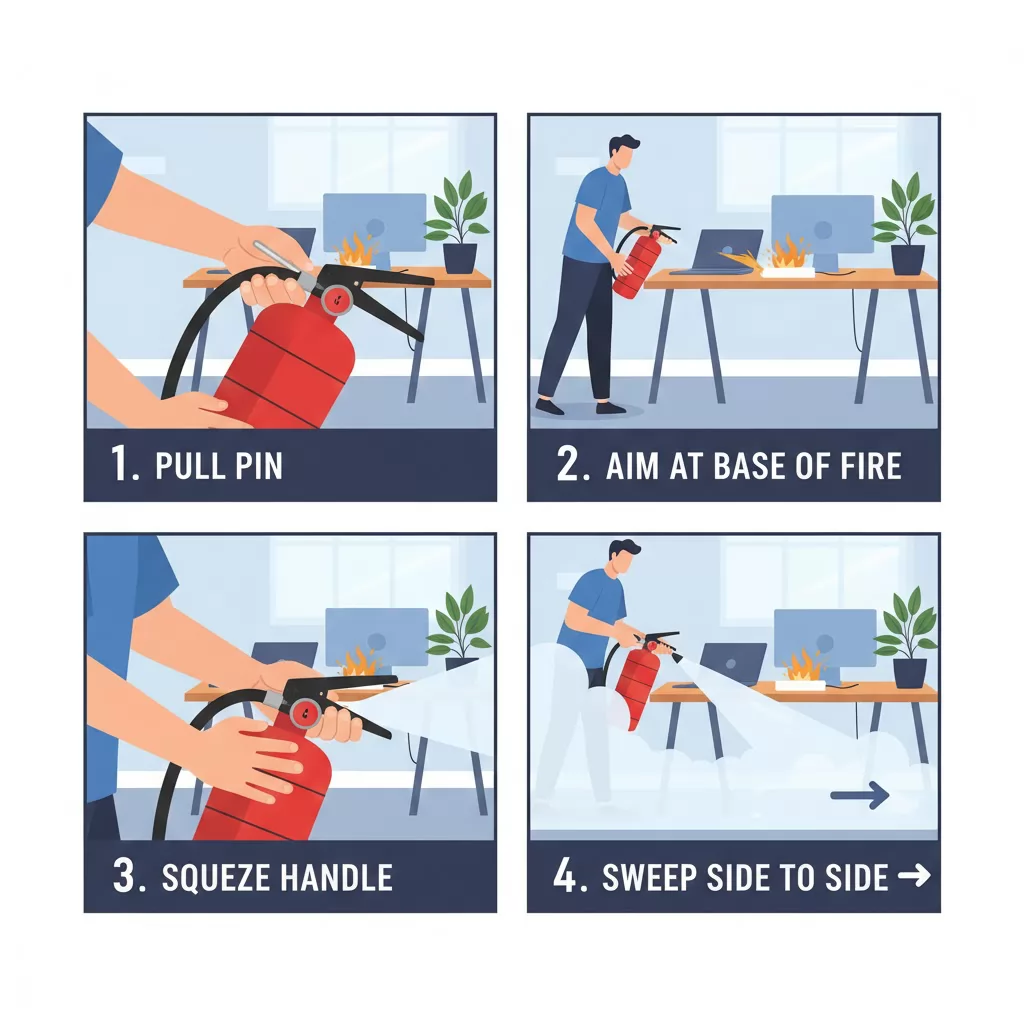
Using a fire extinguisher on an electrical fire requires both knowledge and caution. Incorrect handling can increase the risk of electrocution or allow the fire to spread. The following guidelines help ensure safe and effective usage.
1. Assess the Situation
Before attempting to extinguish the fire, quickly evaluate the size and severity. If the fire is spreading rapidly or you feel unsafe, evacuate immediately and call the fire department. Never attempt to fight a fire that is beyond your control.
2. Disconnect Power if Possible
Whenever safe, turn off the electricity supplying the affected equipment. Cutting the power can reduce the risk of electrocution and may help the fire to be extinguished more quickly.
3. Use the PASS Technique
Most fire safety experts recommend the PASS method for operating a fire extinguisher:
- P – Pull: Pull the safety pin to unlock the extinguisher.
- A – Aim: Aim the nozzle at the base of the fire, not at the flames.
- S – Squeeze: Squeeze the handle to release the extinguishing agent.
- S – Sweep: Sweep the nozzle from side to side, covering the area of the fire until it is fully extinguished.
4. Maintain a Safe Distance
Stand at a safe distance, usually 6–10 feet (2–3 meters) from the fire, and approach carefully as the fire diminishes. Always keep your back to an accessible exit in case the fire spreads unexpectedly.
5. Evacuate if Necessary
If the fire continues to grow despite your efforts, evacuate immediately. Electrical fires can escalate rapidly, and professional firefighters are trained to handle high-risk scenarios safely.
Following these steps ensures that you minimize risk while effectively controlling an electrical fire. Proper training and familiarity with your fire extinguisher are essential to increase confidence and safety during an emergency.
Maintenance, Inspection, and Compliance
Proper maintenance and regular inspection of fire extinguishers are essential to ensure they function correctly during an electrical fire emergency. Neglecting these responsibilities can result in malfunction or failure when you need the extinguisher most.
1. Regular Visual Inspections
Conduct monthly visual inspections to check for obvious signs of damage, corrosion, or leaks. Ensure the pressure gauge is within the recommended range and the safety pin is intact. Verify that the extinguisher is in its designated location and easily accessible.
2. Professional Servicing
Fire extinguishers should be professionally serviced at least once a year by a certified technician. This service includes internal checks, refilling or replacing the extinguishing agent if necessary, and confirming that the unit meets safety standards.
3. Compliance with Safety Standards
Ensure that all fire extinguishers meet recognized safety standards, such as UL (Underwriters Laboratories) or ULC (Canada) certifications. Compliance may also be required by local fire codes or insurance policies. Maintaining proper documentation of inspections and servicing is highly recommended.
4. Accessibility and Placement
Fire extinguishers must remain unobstructed and located near potential fire hazards, but at a safe distance from energized equipment. Proper placement ensures quick access during emergencies.
By adhering to a consistent maintenance schedule and following safety regulations, homeowners and business managers can ensure that fire extinguishers remain reliable and effective, providing peace of mind and compliance with fire safety standards.
Common Mistakes to Avoid with Electrical Fires
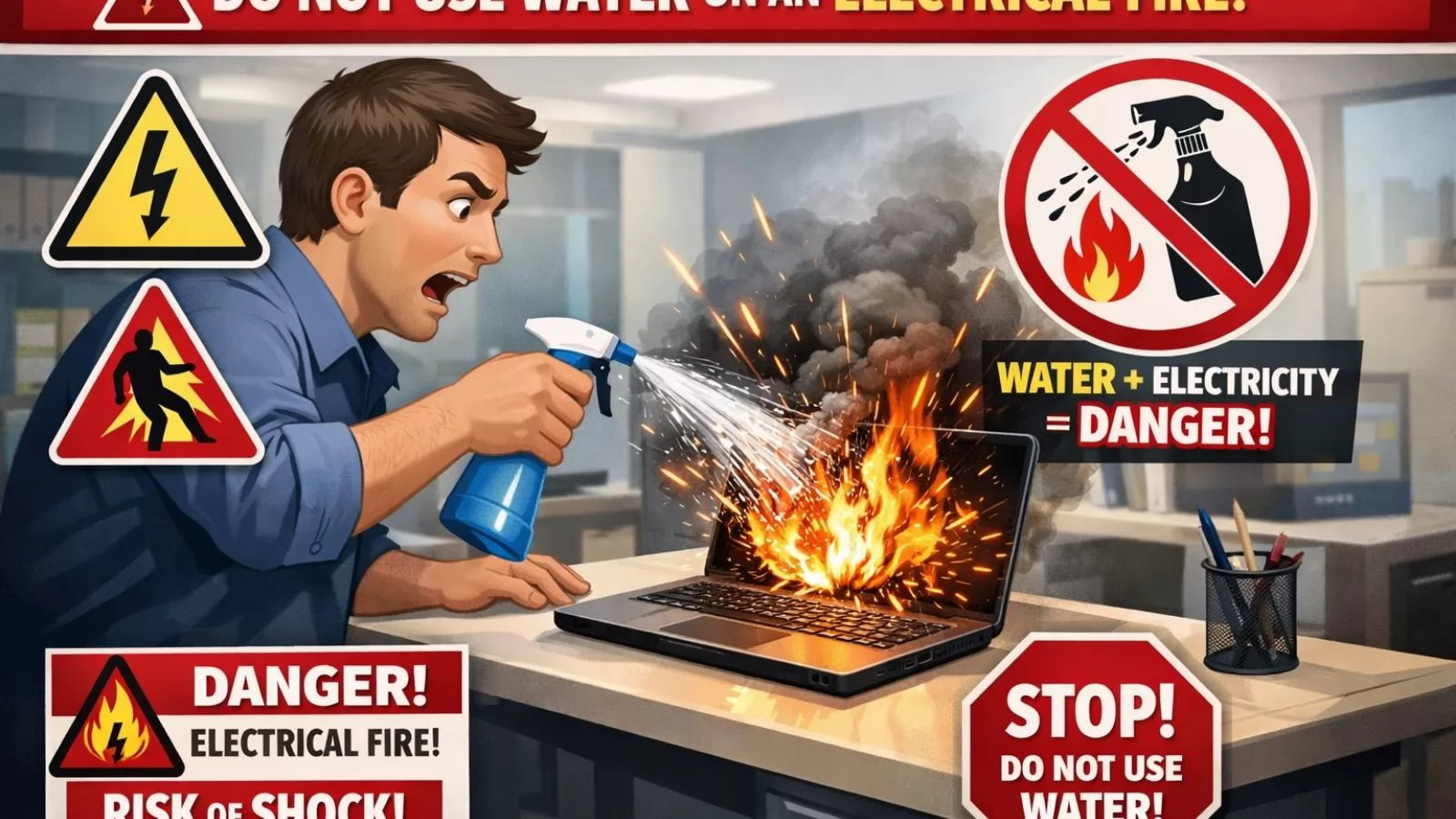
Electrical fires can escalate quickly, and even well-intentioned actions may increase the risk of injury or property damage. Understanding common mistakes helps homeowners and business managers respond safely and effectively.
1. Using Water or Foam Extinguishers
One of the most dangerous mistakes is attempting to put out an electrical fire with water or standard foam extinguishers. These materials conduct electricity, creating a severe risk of electrocution and potentially spreading the fire.
2. Ignoring Fire Extinguisher Ratings
Using an extinguisher not rated for Class C fires can be ineffective or unsafe. Always verify that the extinguisher is appropriate for electrical hazards before attempting to use it.
3. Failing to Maintain Equipment
A neglected fire extinguisher may not function when needed. Skipping regular inspections, ignoring low pressure readings, or failing to schedule professional servicing can result in a non-functional extinguisher during an emergency.
4. Getting Too Close to the Fire
Approaching an electrical fire too closely can expose you to electrocution or burns. Maintain a safe distance, use the PASS technique, and always keep an accessible exit behind you.
5. Underestimating the Fire
Attempting to fight a fire that is too large or spreading rapidly is a common mistake. Know your limits, evacuate if necessary, and contact the fire department promptly.
By avoiding these mistakes, users can reduce the risk of injury, protect property, and improve the chances of successfully extinguishing electrical fires.
Conclusion: Staying Prepared for Electrical Fire Risks
Electrical fires are a significant hazard in both homes and businesses. They require specialized fire extinguishers and careful handling to prevent injury and property damage. By understanding the nature of electrical fires, selecting the appropriate Class C or multipurpose extinguisher, and following proper usage techniques, you can respond effectively in an emergency.
Regular maintenance, proper placement, and adherence to safety standards are critical for ensuring that fire extinguishers remain reliable and ready for use. Additionally, awareness of common mistakes, such as using water on electrical fires or underestimating the fire’s size, can save lives and reduce property damage.
Preparedness is the key to minimizing risks. Homeowners and business managers who educate themselves about electrical fire safety, maintain the right equipment, and practice safe response procedures will be well-equipped to handle potential emergencies with confidence.
Remember, no single measure guarantees complete safety, but a combination of knowledge, proper equipment, and vigilance significantly improves outcomes during electrical fire incidents.

